„Dimitrie Cupovski“ 13, 1000 Skopje +38923244000 ic@mchamber.mk
„Dimitrie Cupovski“ 13, 1000 Skopje +38923244000 ic@mchamber.mk
.jpg)
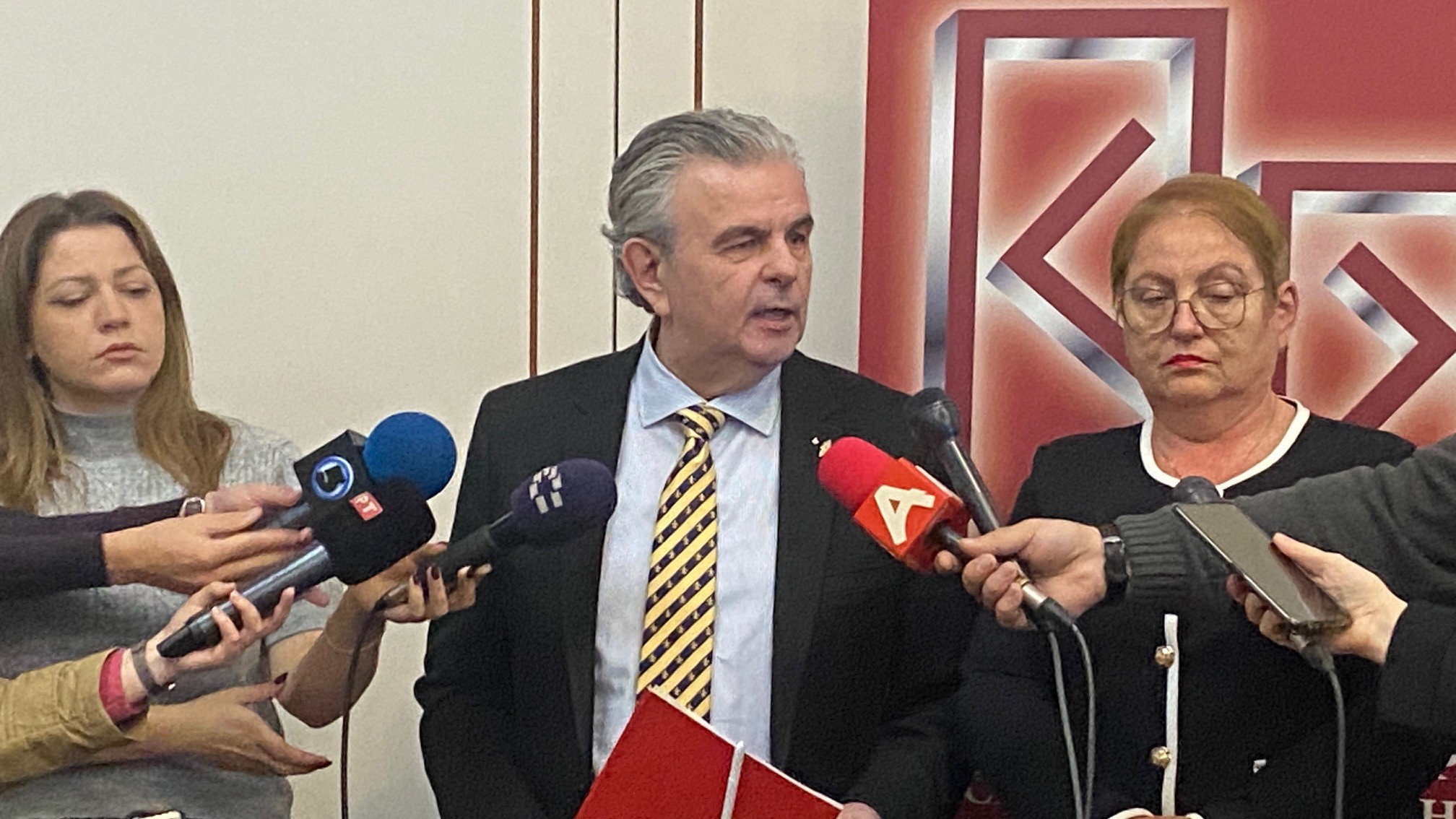
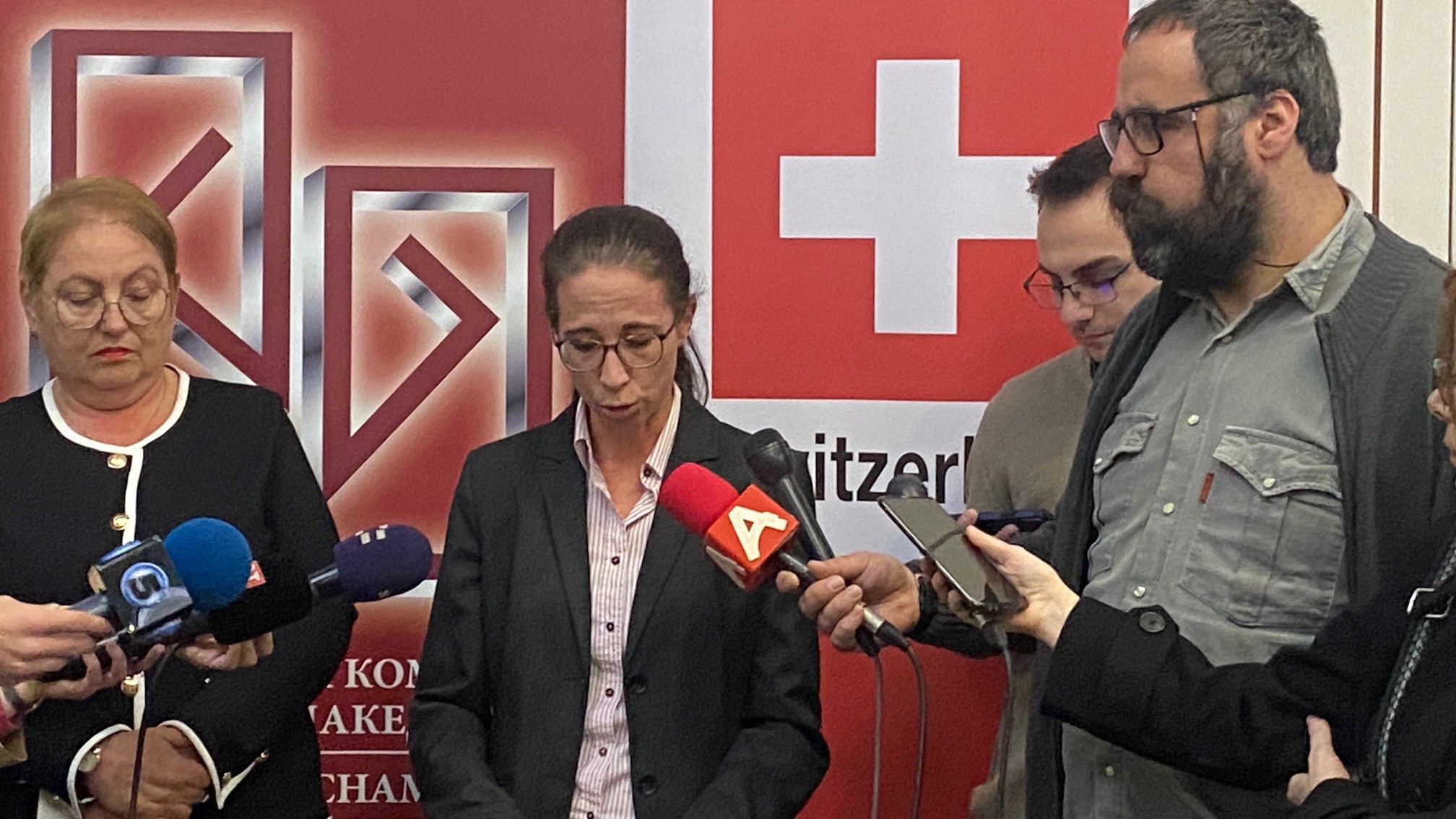
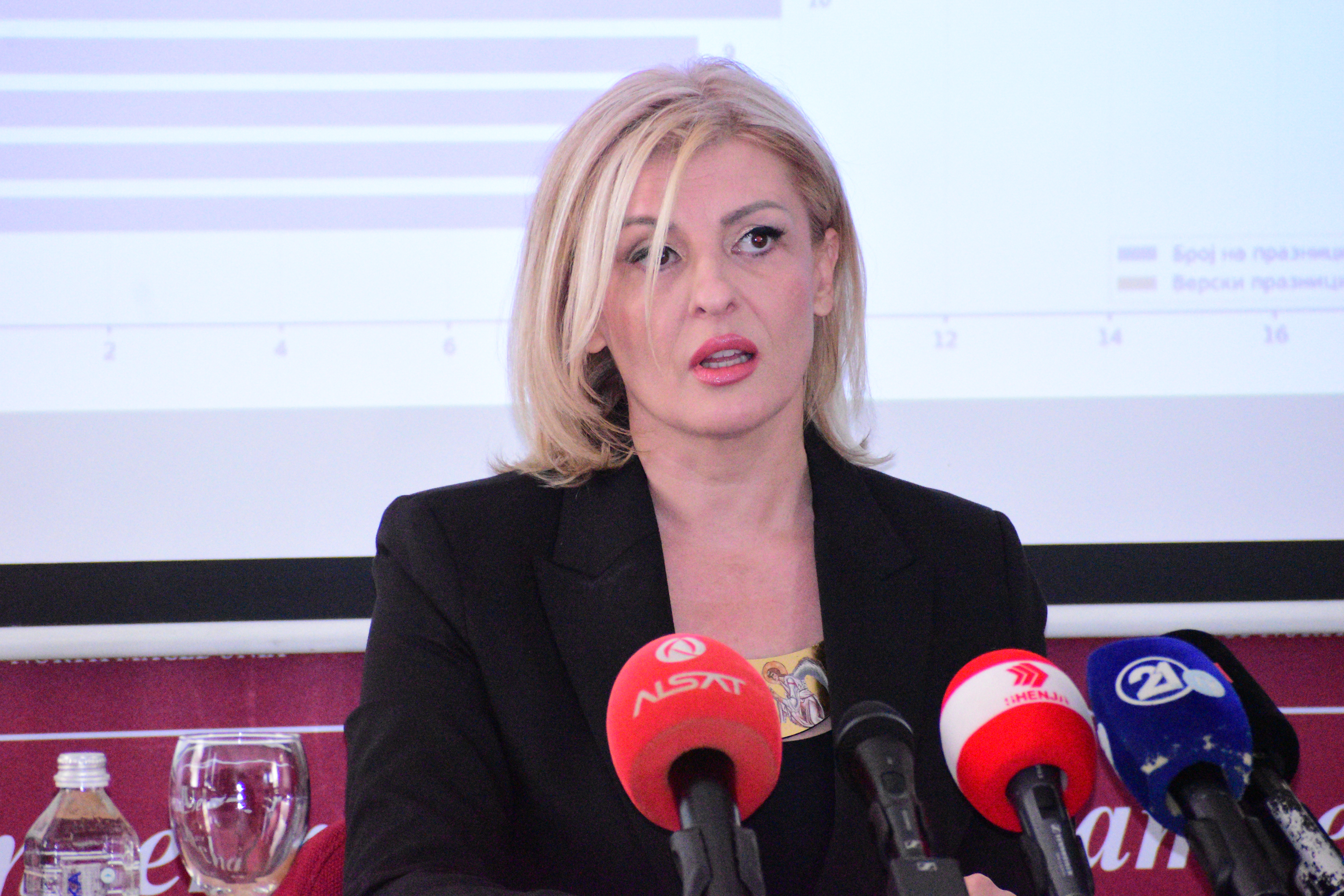
The Economic Chamber of North Macedonia, with the support of the Swiss-funded project “Education for Employment in North Macedonia,” (E4E) organized a conference dedicated to strengthening practical skills among young people and deepening cooperation between companies, educational institutions, and the academia.
The aim of the conference, titled “Building the Future: Practical Skills for the New Generation,” was to open a substantive discussion on how vocational and higher education can produce a stronger, more competitive, and better-prepared workforce that meets the needs of the real sector.
Through panel discussions, participants shared experiences, good practices, and proposals for improving practical training and further strengthening the dual education model.
The event was opened by the Executive Director of the Economic Chamber, Antonio Peshev, who emphasized that as far back as 2007, the Chamber identified the development of human capital and reforms in vocational education as a strategic priority. The Chamber has been actively involved in developing the dual education model, through which young people acquire theoretical knowledge in school while also gaining hands-on skills in companies.
“This process was not simple. We began by agreeing that curricula needed to be changed and aligned with the needs of companies. Children should not spend five days a week in school; instead, they should spend two days in a company to see how work is actually done. Today, more than 700 companies participate in the dual model, and 70% of students enroll in vocational education. When it comes to higher education, major changes will be required there as well. No matter how painful or unpopular it may seem, Macedonia needs quality, not a diploma-printing factory. Otherwise, we will be left with diplomas—but without jobs. That should be an alarm bell for all of us. I hope the Government also understands this, because we are talking about reforms we have never undertaken before,” Peshev stated.
He stressed that the Economic Chamber will continue to focus on three priorities: Reforming enrollment policies in higher education, where the quality of knowledge and competencies will matter more than the quantity of students; Increasing the involvement of the business community in designing and revising study programs to ensure they correspond to real market needs; and Establishing an independent and professional accreditation and evaluation body, which will ensure quality standards based on results and relevance.
In her opening remarks, the Minister of Education and Science, Prof. Dr. Vesna Janevska, underlined that education is a shared social responsibility, and the Ministry cannot independently create effective, long-term educational policies unless they stem from the real needs and challenges identified by social stakeholders. In this context, the role of the business community is especially significant, as it best understands the dynamic demands of the labor market and the need for practically applicable skills and knowledge.
“In recent years, we have been strongly focused on developing high-quality practical skills among younger generations. The dual education model has proven to be the best and most effective mechanism for achieving this goal. Today, around 700 companies are actively involved in providing practical training for students, and I would say that vocational education in Macedonia is actually the strong side of our national education system,” Janevska stated.
H.E. Michal Harari, Deputy Head of Mission of Switzerland, emphasized that Switzerland is proud to support North Macedonia in strengthening cooperation between educational institutions and the private sector, drawing on Switzerland’s own successful dual education model.
“Dual education in North Macedonia began several years ago as a pilot initiative and has already evolved into a recognized approach that benefits students, young professionals, and the private sector alike. With support from Switzerland, the principles of private-sector partnership and practical training that proved successful in secondary vocational education are now being applied in higher education as well,” Harari noted.
The conference also highlighted the need for greater integration between higher education and the real sector by developing study programs aligned with the needs and demands of businesses.
.jpg)
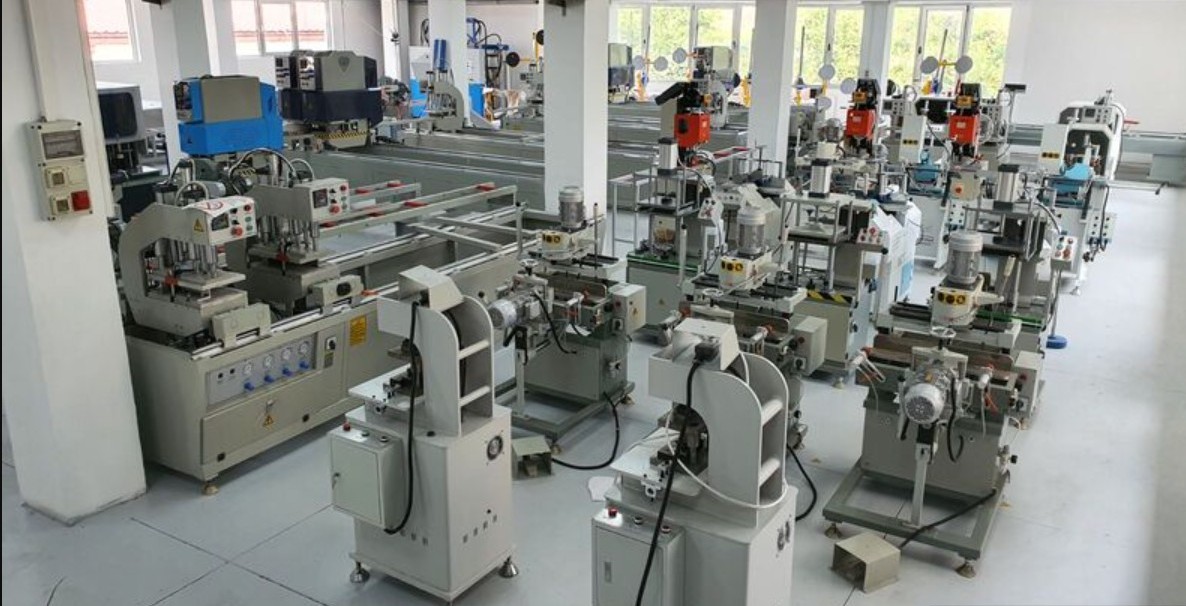



 Progressive Academy