„Dimitrie Cupovski“ 13, 1000 Skopje +38923244000 ic@mchamber.mk
„Dimitrie Cupovski“ 13, 1000 Skopje +38923244000 ic@mchamber.mk
.jpg)
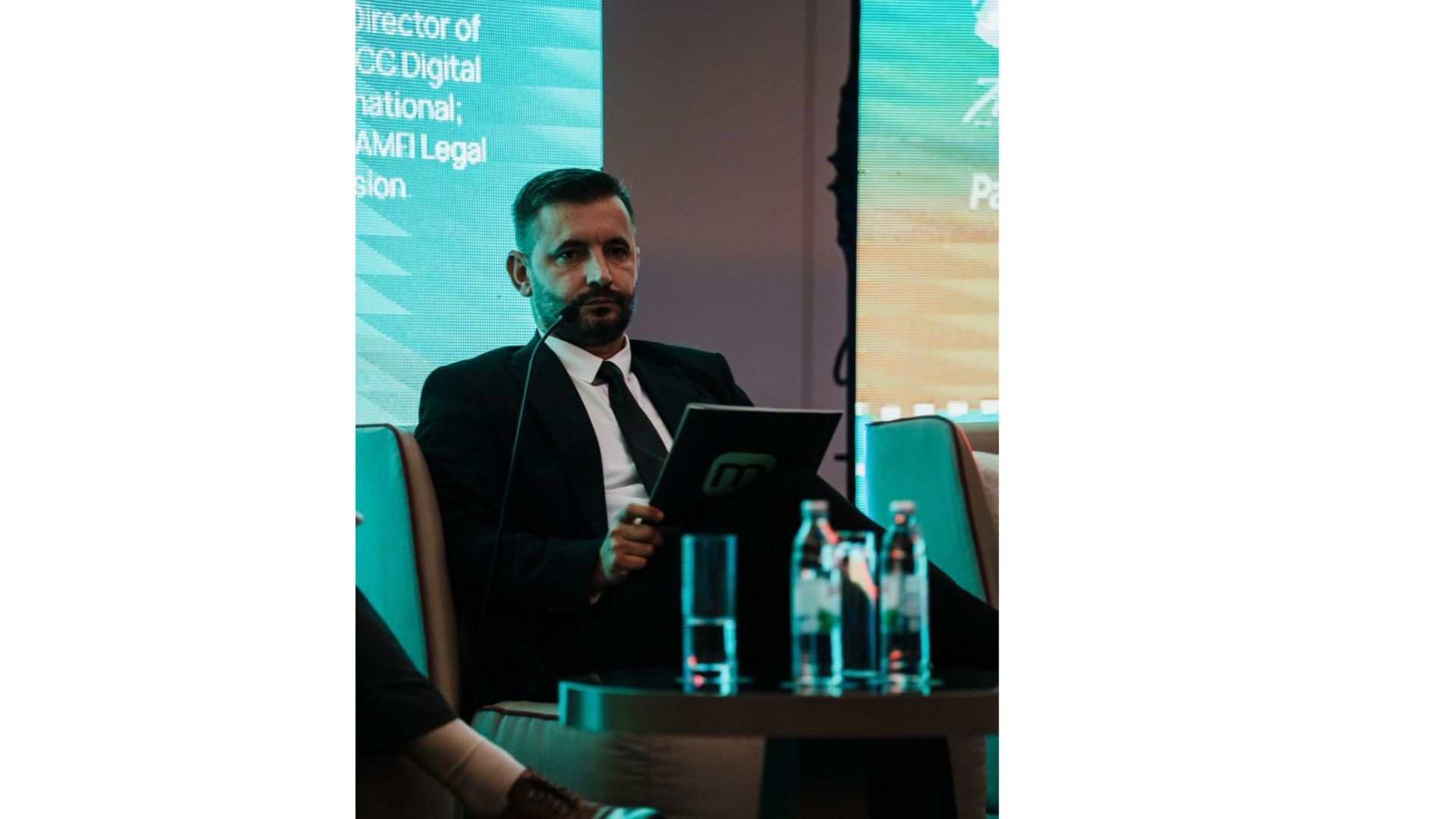
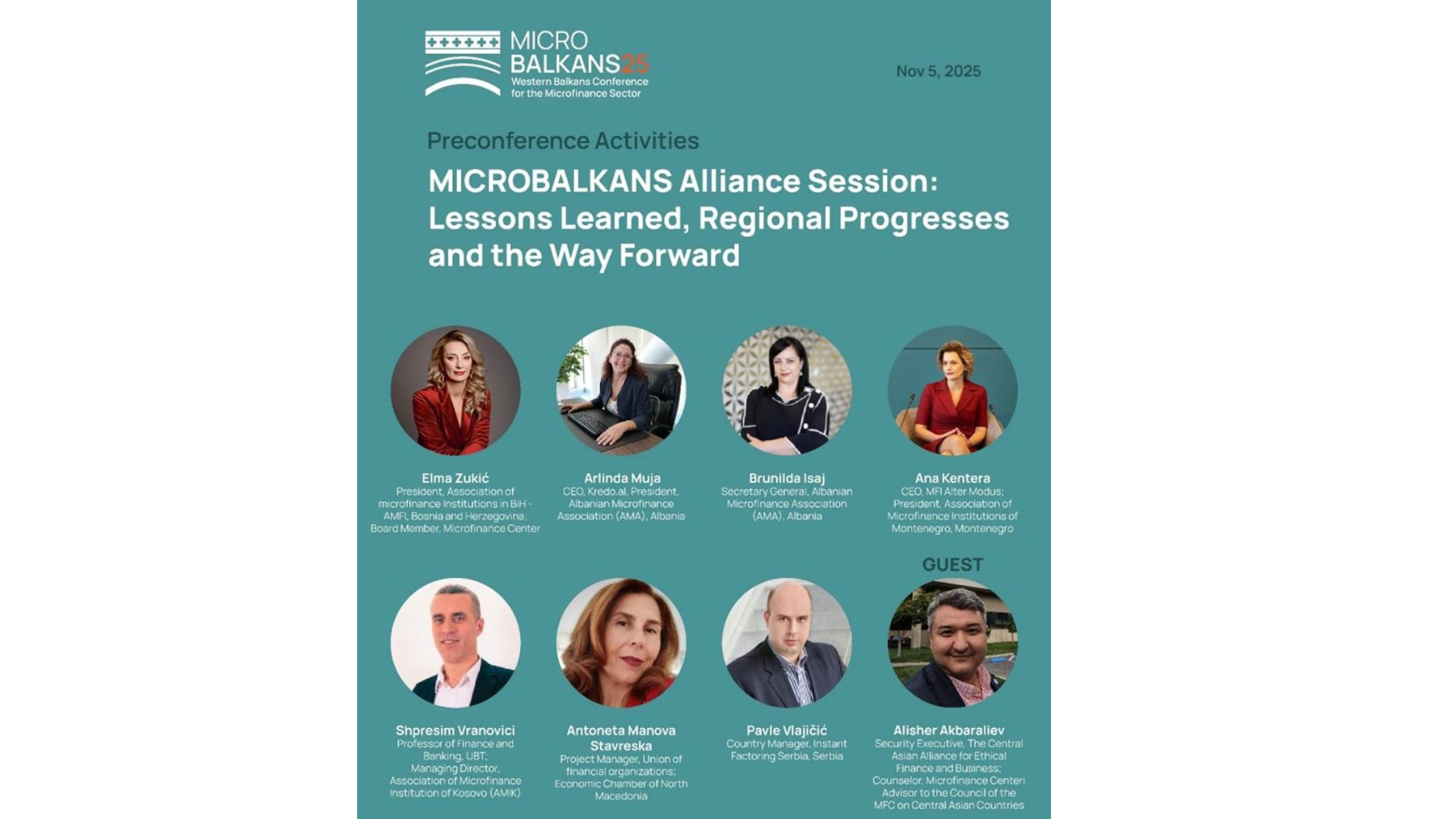
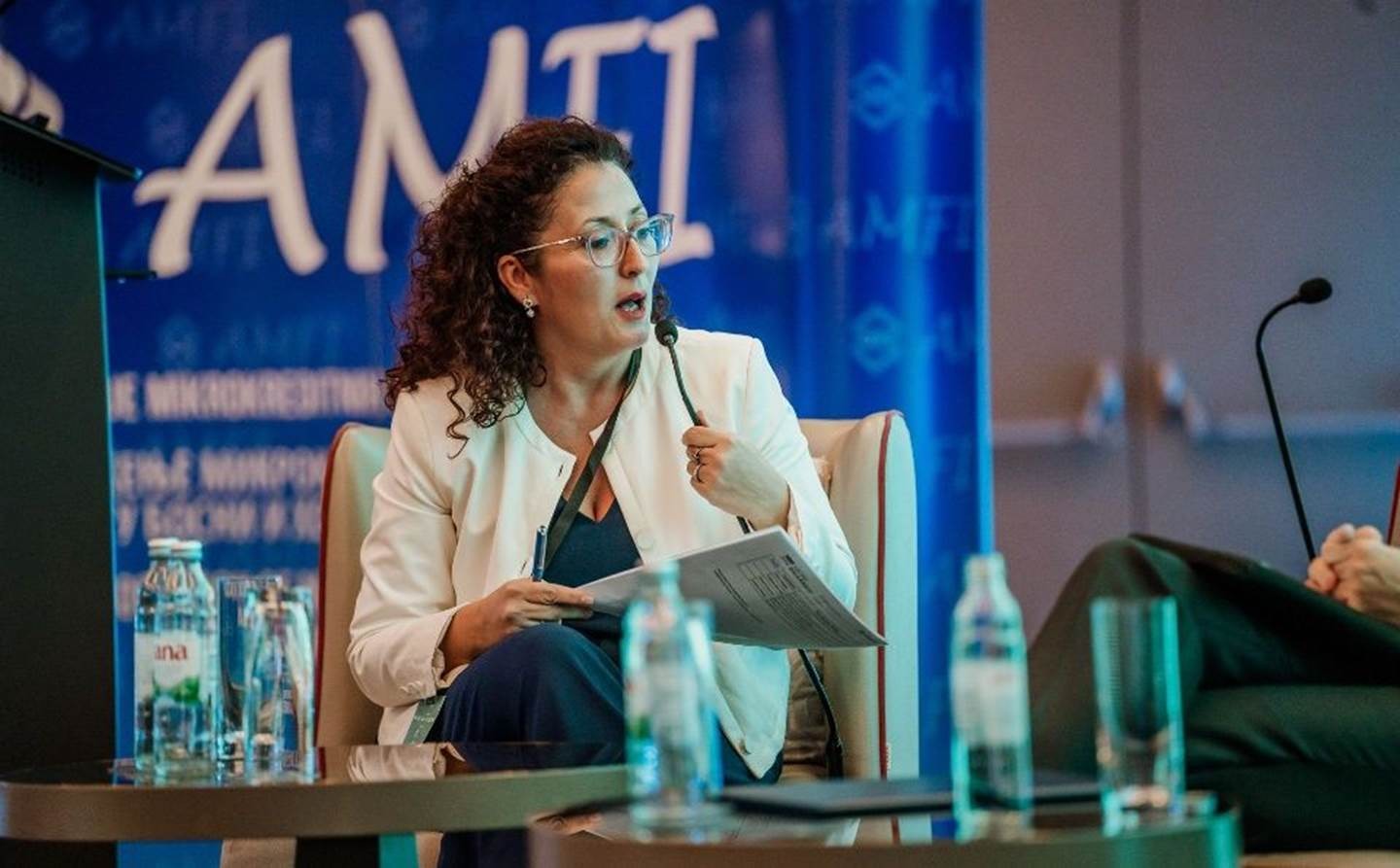
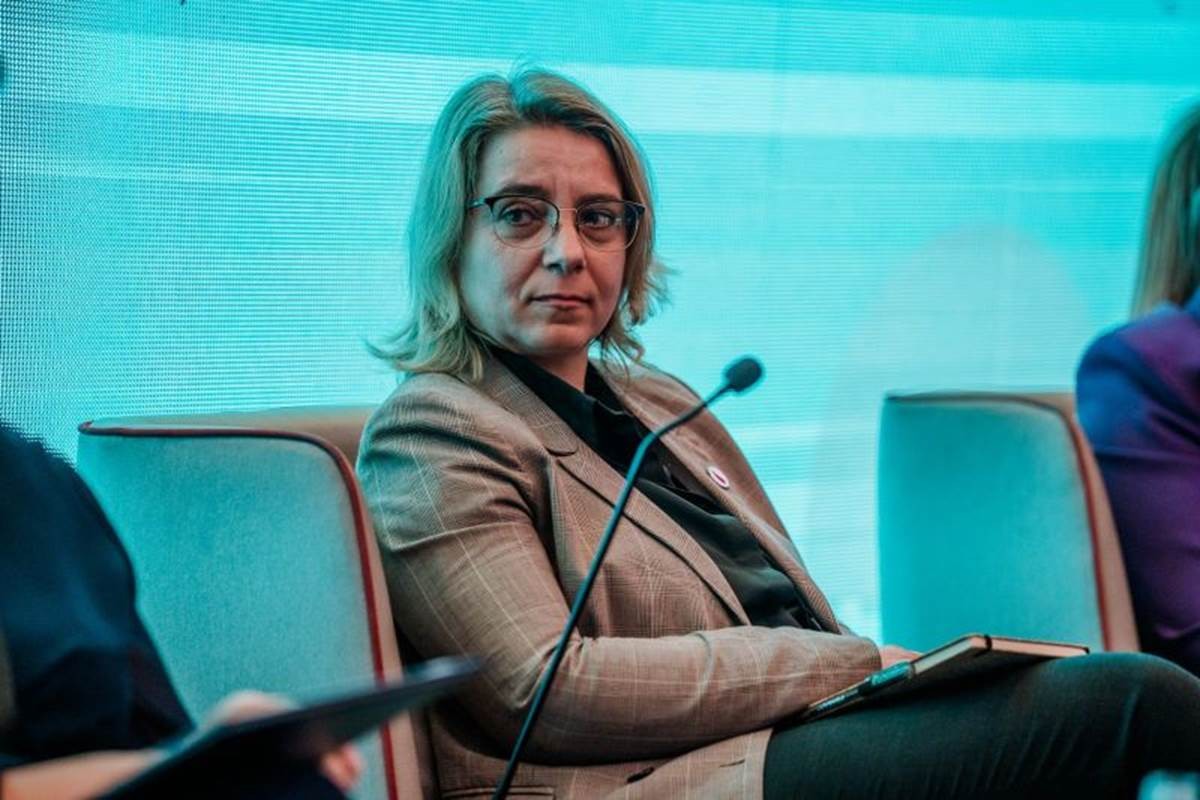
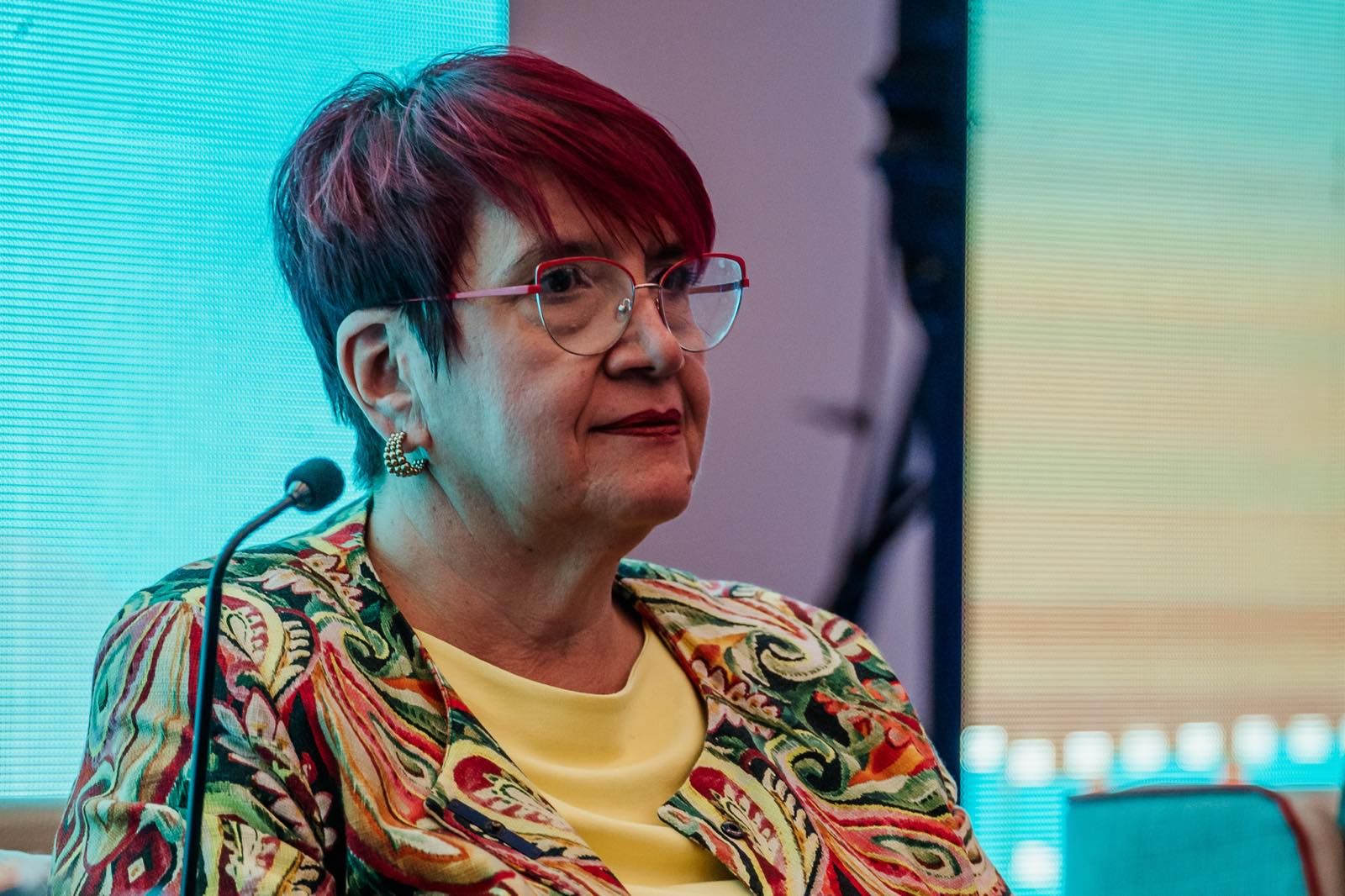
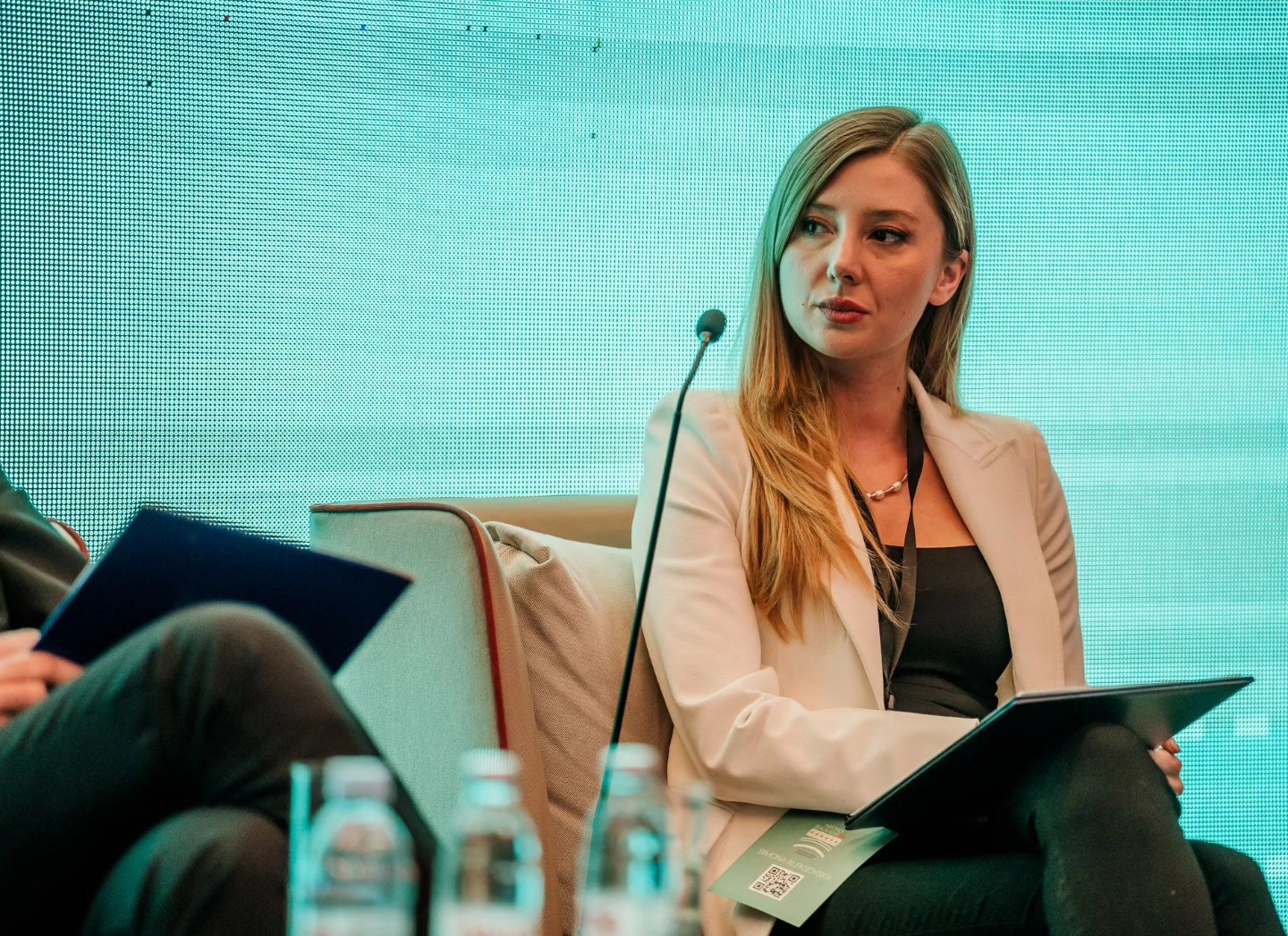
From 5 to 7 November in Dubrovnik, MicroBalkans 2025 once again brought together key voices from across the Western Balkans to strengthen regional cooperation, knowledge exchange, financial inclusion, and responsible microfinance practices in the region. This year’s conference focused on digital transformation, sustainable growth, practical strategies for ESG transformation, access to capital, responsible financing, and alignment with EU regulatory standards. MicroBalkans 2025 gathered experts, innovators, regulators, and industry leaders who shape the region’s microfinance ecosystem. The conference motto was: “Our shared vision is to build a resilient, green, and inclusive financial ecosystem that empowers people and communities across our region.”
The Macedonian microfinance and fintech industry was represented by Nikola Joshevski (President of the Group of Non-Banking Financial Companies and General Manager of Mint), Arlinda Muja (Vice President and Regional Executive Director of Finmak), Tatjana Davchev (Director of Legal Affairs and Compliance at Iute Macedonia), Eleonora Zgonjanin-Petrovikj (Manager of FULM Savings House), Simona Aleksovska (Business Director at Native Teams), and Antoneta Manova-Stavreska (Project Manager of the Group within the RNM Economic Chamber). As panelists, they spoke on various topics during the two-day conference in Dubrovnik.
Upon invitation from the Economic Chamber, additional panelists from Macedonia included Melita Nikodinovska from the Office of the Governor of the National Bank of the Republic of North Macedonia, and Gordana Popovikj-Friedman, Head of the Green Finance Instrument Project at UNDP.
MicroBalkans is a regional platform for microfinance, inclusive finance, innovation, and sustainable development in the Western Balkans, aimed at strengthening the voice and capacity of the nontraditional financial sector while supporting millions of clients, entrepreneurs, and communities across the region. It is created by the members of the Western Balkans Alliance and co-organized by microfinance associations and institutions across the region, including: the Association of Microfinance Institutions in Bosnia and Herzegovina (AMFI), the Economic Chamber of North Macedonia, the Albanian Microfinance Association (AMA), the Association of Microfinance Institutions of Montenegro, the Microfinance Association of Kosovo, and Instant Factoring Serbia (regional fintech partner).
For more than 25 years, microfinance in the Western Balkans has been at the forefront of financial inclusion—reaching women, rural entrepreneurs, farmers, startups, returnees, and informal workers who are often underserved by traditional finance. Today, microfinance serves around one million people across the Western Balkans. The need is real, but financial inclusion is no longer just about loans. It now involves payments, savings, guarantees, insurance, digital identity, data, trust, and opportunities. To unlock this future, we need a balanced and EU-aligned regulatory framework, as well as strong partnerships between microfinance institutions, banks, fintech companies, regulators, investors, ministries, and central banks.
Some of the key messages from MicroBalkans 2025 include:
· Transposing EU directives into national legislation should create a stable and integrated, yet competitive and inclusive microfinance ecosystem that goes beyond traditional regulatory frameworks.
· Digital transformation in microfinance enables responsible lending by allowing credit decisions that are both ethical and sustainable.
· ESG principles are a crucial prerequisite for regional and rural development of nano-businesses in the Western Balkans.
· Connect, cooperate, combine. The most critical element in transforming a local solution into lasting impact in the Western Balkans lies in partnerships and the integration of diagnostics, access to finance, and incentives—both financial and non-financial—across the private and public sectors. This is what makes the Green Finance Fund in North Macedonia a strong, scalable, inclusive, and sustainable model.

 Progressive Academy