„Dimitrie Cupovski“ 13, 1000 Skopje +38923244000 ic@mchamber.mk
„Dimitrie Cupovski“ 13, 1000 Skopje +38923244000 ic@mchamber.mk
.jpg)
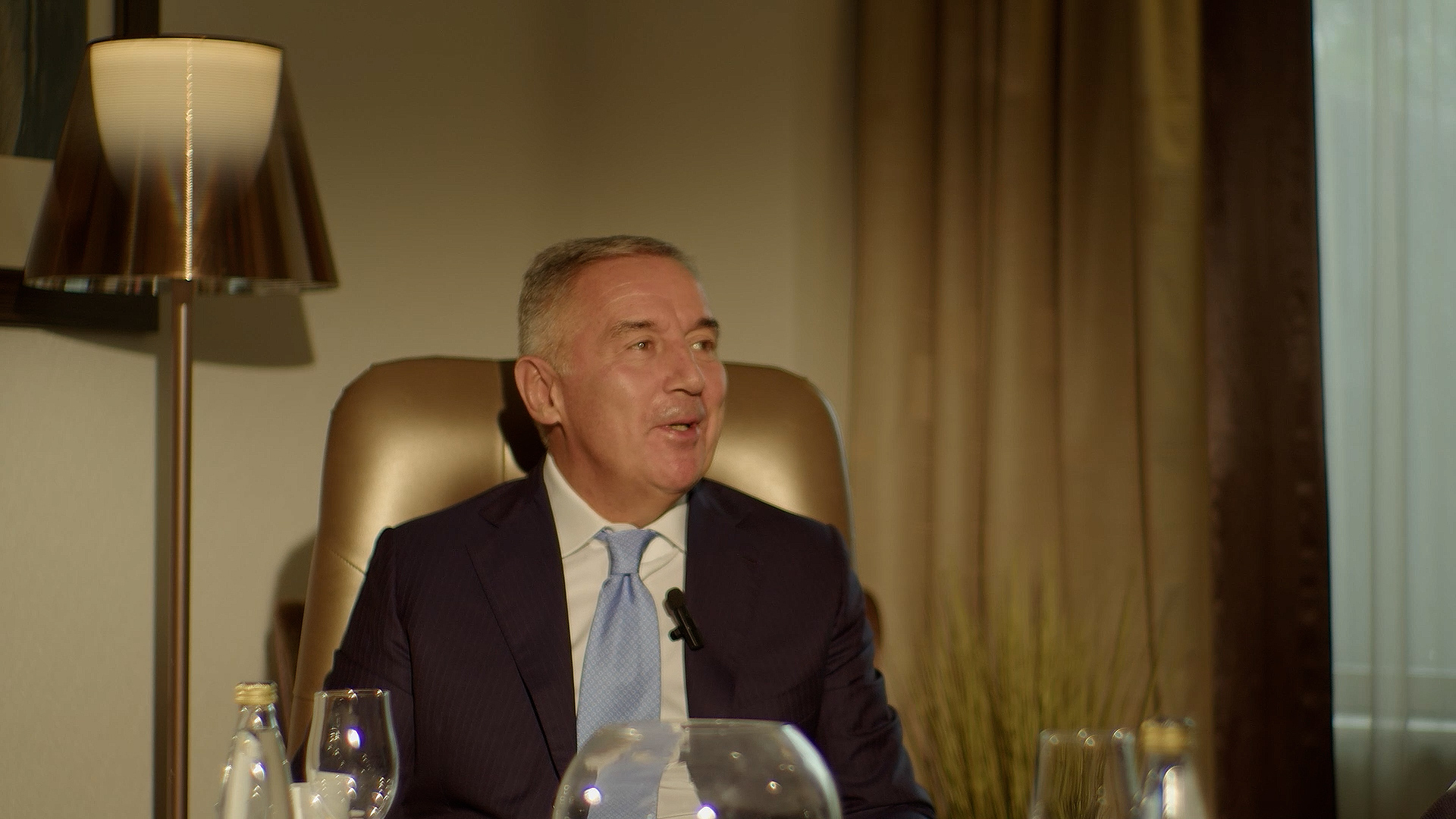
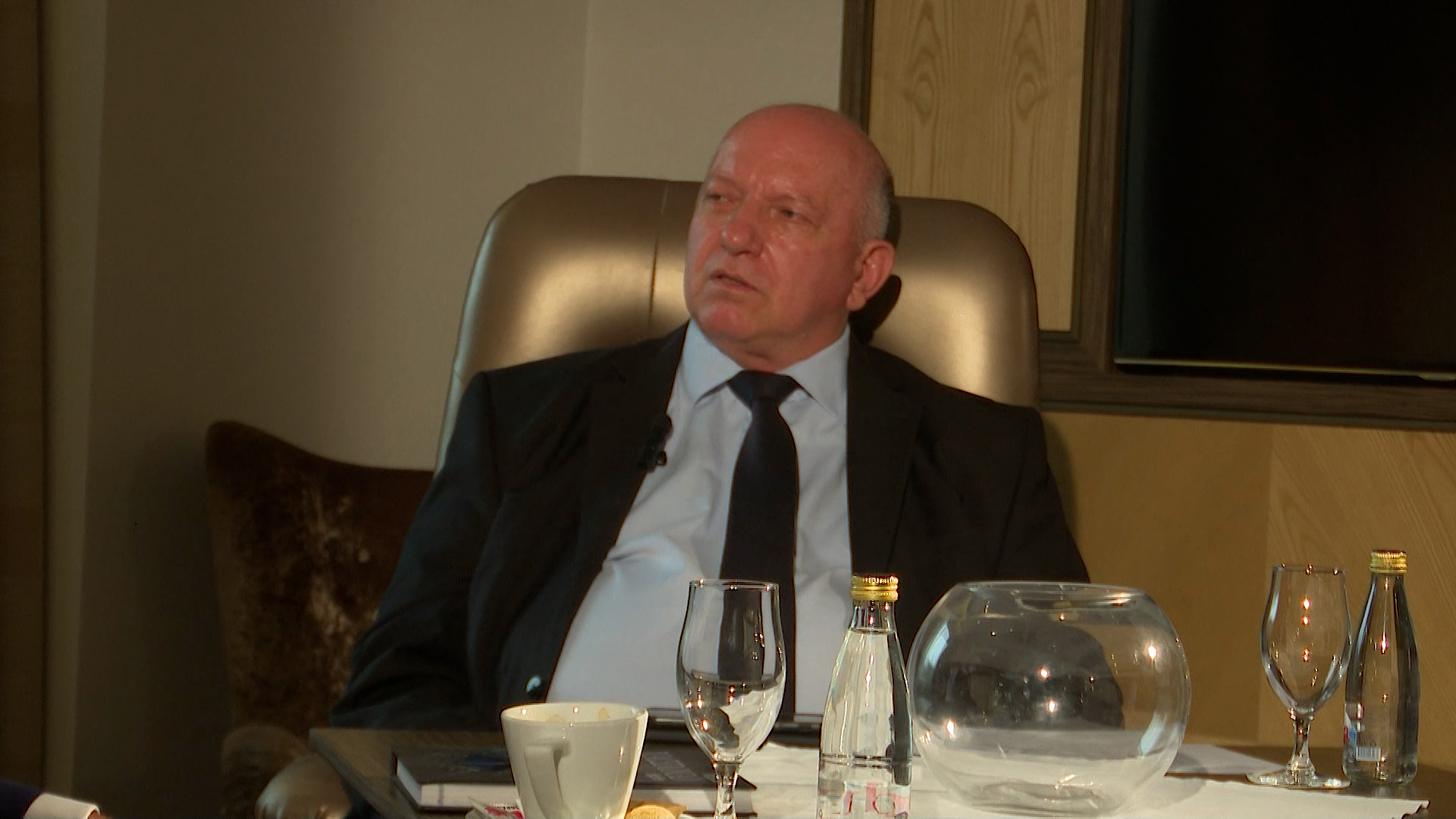
“Infrastructure is a prerequisite for investment and development, because when an investor sees that you are investing in infrastructure, they recognize you as a serious partner,” emphasized Milo Đukanović, former Prime Minister and President of Montenegro and businessman, in the latest episode of the Business Club Plus podcast with Branko Azeski. The conversation offered an important analytical overview of the economic effects of infrastructural investment, the strategic challenges of EU integration, and the need for partnership between the state and the business sector as a condition for sustainable economic development.
Speaking about attracting foreign investment as a driver of economic growth and national development, Đukanović noted that despite all government measures and incentive policies, the first major investments started arriving only after the construction of motorway infrastructure began. According to him, developed road infrastructure, the flow of goods and services, low tax rates, and well-regulated property rights are essential conditions for establishing an adequate investment climate. In this context, he explained that the state rationalized the management of military facilities and infrastructure due to a clear ownership structure. However, he also stressed that foreign investors want predictable government policy.
The conversation also touched upon the enlargement processes of the European Union and the challenges faced by Western Balkan countries, particularly Montenegro and Macedonia. He underlined that the insufficient pace of enlargement and delayed EU decisions have created space for geopolitical influences in the region, posing a risk to Europe’s stability.
Continuing the podcast, Đukanović presented a comparative analysis between the former Yugoslav economic system and the EU model of a market economy. He also discussed the reasons for Yugoslavia’s dissolution, including disintegration tendencies, the economic crisis of the 1990s, and the end of the Cold War—which created the need for deep economic reforms to make the state competitive. Đukanović emphasized that Yugoslavia, unlike other Eastern European states, did not use its opportunity to join the European Union due to differing socio-economic concepts: a state-run economy based on self-management and collective agreements and a closed internal market, as opposed to a market economy and an open economic space.
Asked about the prospects for the Western Balkans, he stressed that EU integration is a strategic necessity, but added that Western Balkan countries must fulfill their reform obligations and demonstrate political maturity, as he does not believe that exceptions will be made or that the region will be admitted jumping the queue. According to him, countries that were admitted out of sequence due to geopolitical circumstances do not organically belong to the European Union. He added:
“We must meet our domestic obligations—Western Balkan countries need to complete the reforms they have already begun in order to take advantage of the EU’s current openness to finalizing the enlargement process. But this requires commitment. For the Western Balkans, continuing the process of self-isolation would be disastrous, because both culturally and socially, we belong to Europe.”
In his view, the European Union made a geopolitical mistake by delaying enlargement and leaving the Western Balkans outside EU influence, because any resulting crisis in the Balkans would pose a serious problem for the EU as well.


 Progressive Academy