„Dimitrie Cupovski“ 13, 1000 Skopje +38923244000 ic@mchamber.mk
„Dimitrie Cupovski“ 13, 1000 Skopje +38923244000 ic@mchamber.mk
.jpg)
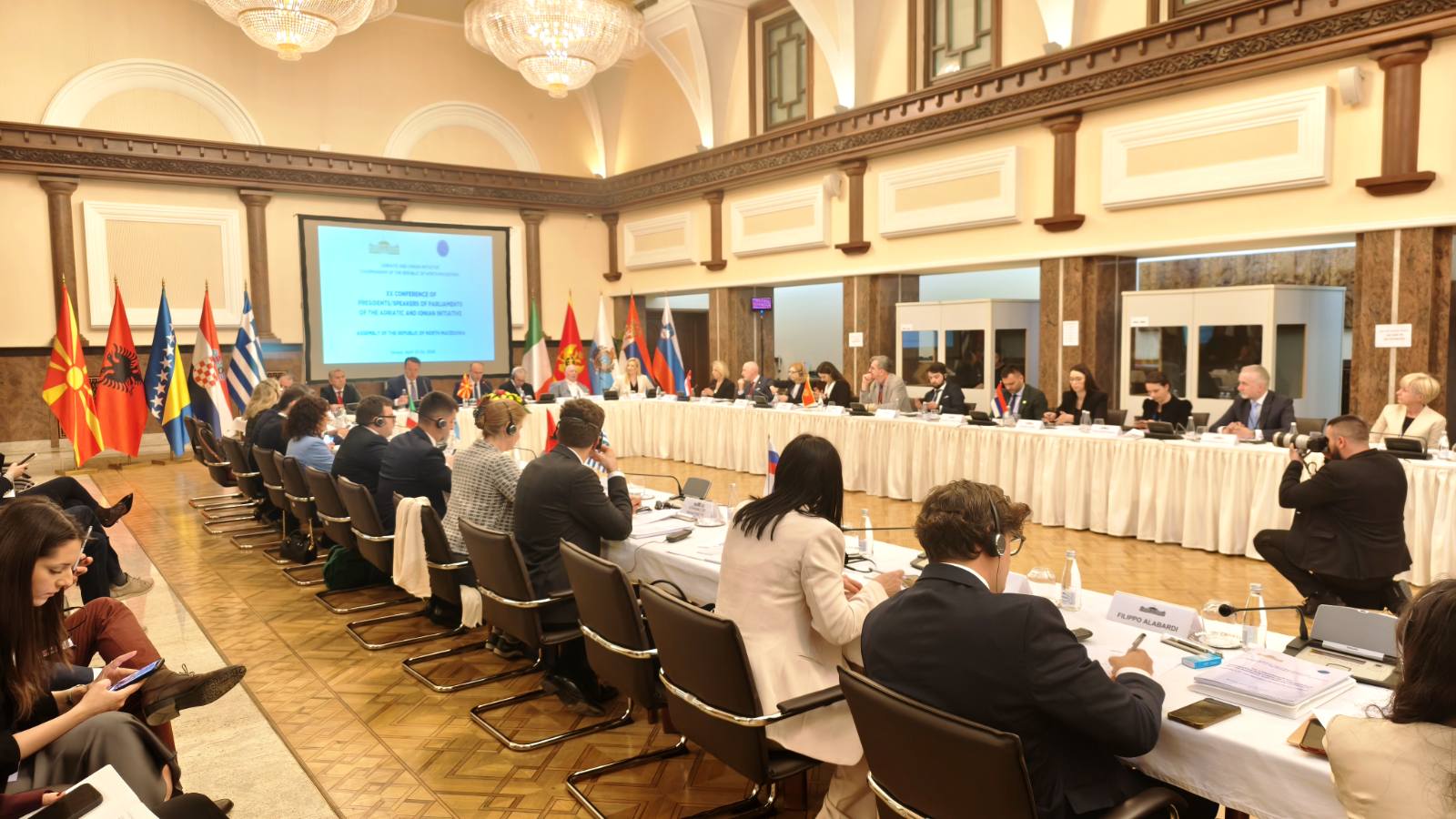
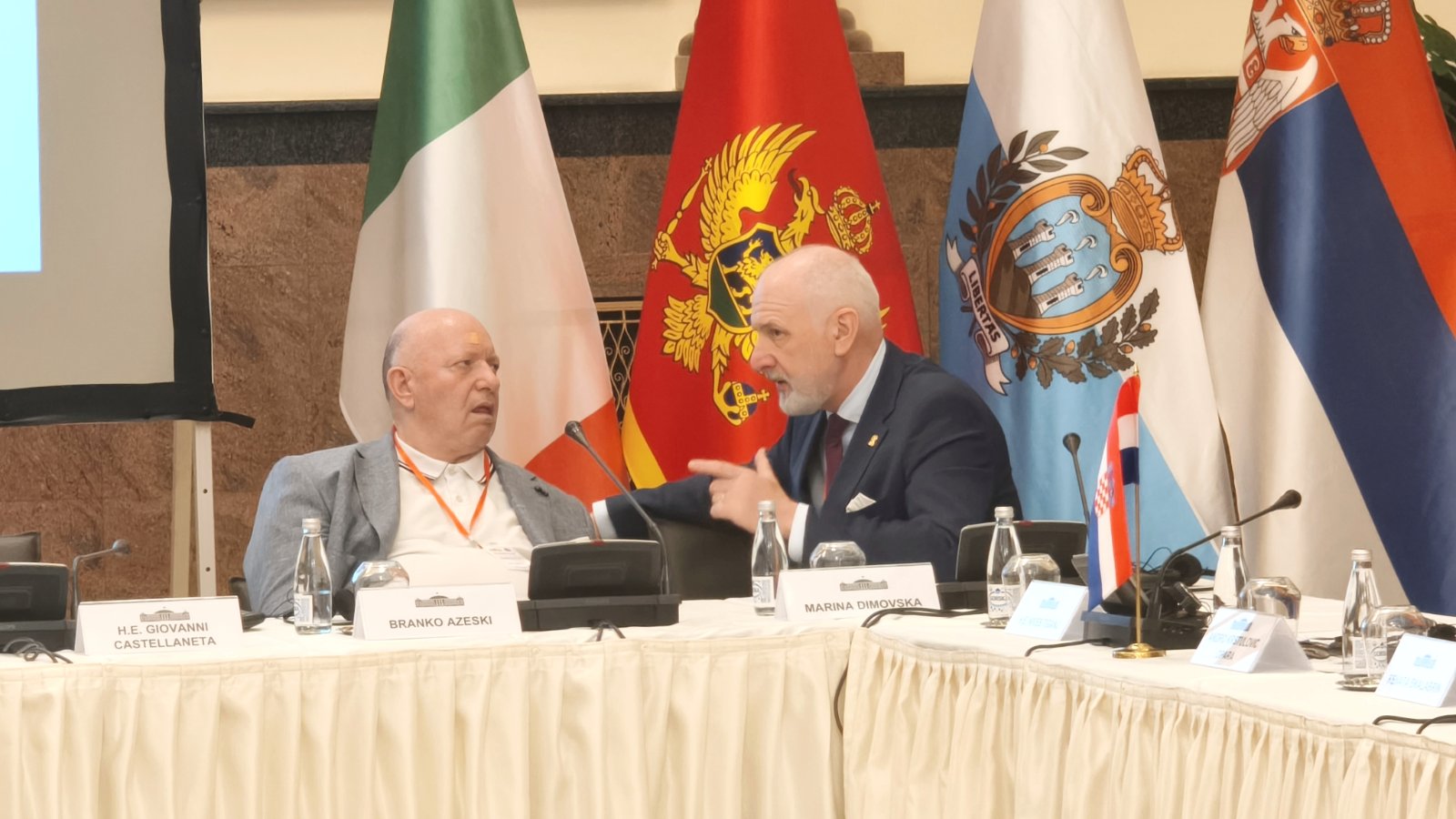
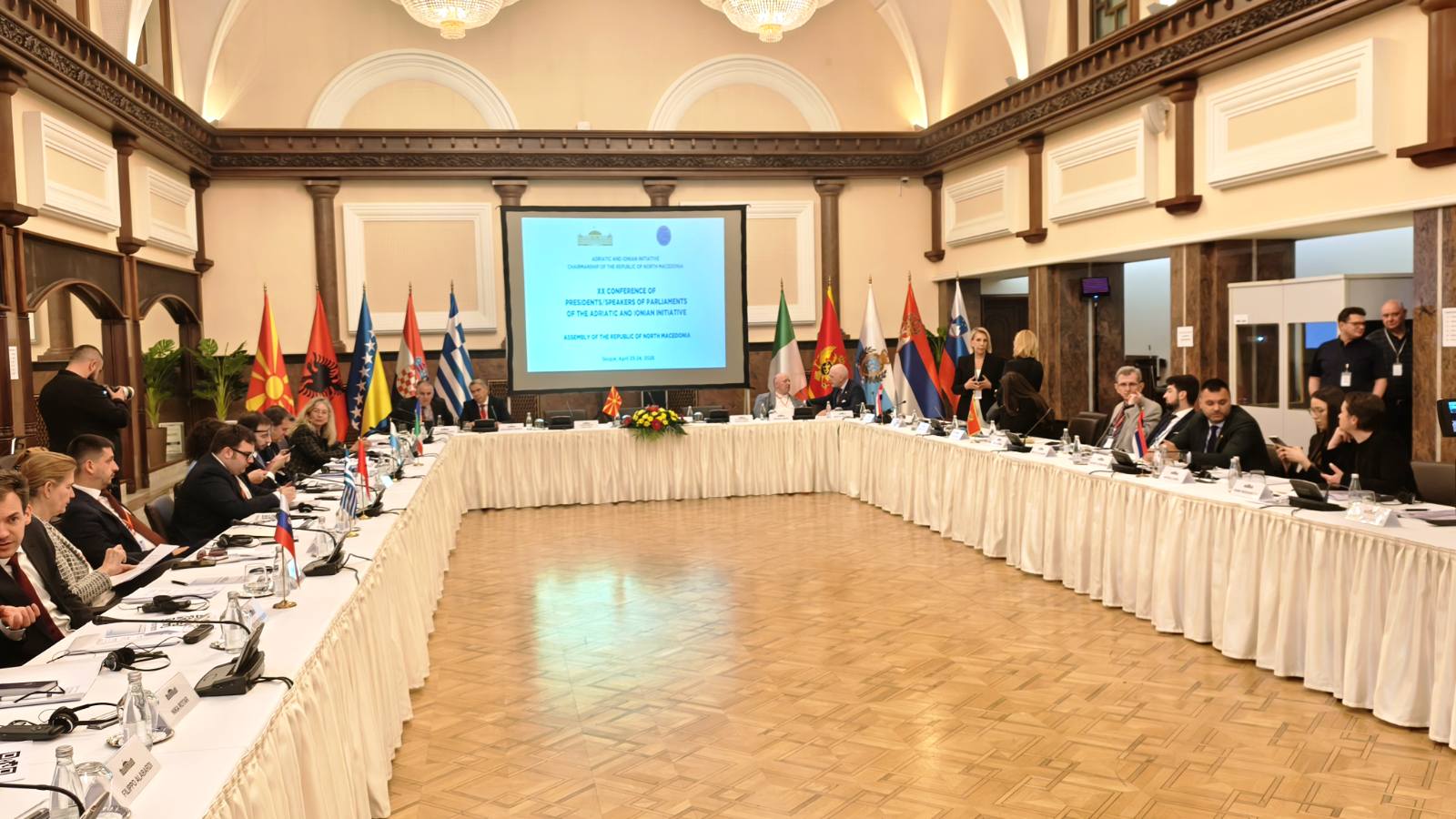
“Regional connectivity is no longer just an infrastructure issue, but a prerequisite for economic growth, competitiveness, and a better quality of life,” said Branko Azeski during a panel session dedicated to strengthening regional connectivity through the development of Corridors 8 and 10, held as part of the 20th Conference of Presidents/Speakers of Parliaments of the Adriatic-Ionian Initiative (AII), where he participated as a panelist. He emphasized that in a time of dynamic geopolitical and economic change, strong and functional transport links are essential for the stability and resilience of regional economies.
In that context, Azeski underlined the importance of Corridor 8 and Corridor 10, stressing that for the Chamber and the business community, these corridors are not merely lines on a map, but economic lifelines. Any delay in their completion, he said, means missed opportunities, reduced competitiveness, and limited access to markets.
Azeski pointed out that infrastructure connectivity is clearly defined as one of the key pillars in the Chamber’s strategic documents and noted that numerous activities have been carried out in recent years to advance regional cooperation. “We have organized numerous regional conferences and business forums, prepared analyses and recommendations based on the real needs of companies, especially regarding transport costs, border procedures, and delivery times, all with the aim of encouraging public-private dialogue,” Azeski said. He added that through partnerships with other chambers in the region, the Economic Chamber actively advocates for a coordinated approach and joint representation before EU institutions and international financial institutions.
In his address, he also highlighted the role of parliaments as key drivers in creating a stable and predictable legal framework. “It is necessary to ensure continuity of strategic infrastructure priorities regardless of political cycles, to encourage regional harmonization of legislation, especially in the areas of transport, customs procedures, and public procurement, and to provide effective oversight of project implementation and the use of public funds,” he said. He added that it is also essential to create conditions for greater private-sector involvement through public-private partnerships.
At the conclusion of his remarks, Azeski stressed that the Chamber remains a committed partner of the institutions. “We will continue to actively communicate the needs of companies, initiate dialogue, and support solutions that lead to faster and more efficient implementation of these key infrastructure projects.”
The Adriatic-Ionian Initiative is an important regional cooperation mechanism that emerged from the European Union’s efforts in the 1990s to stabilize South Eastern Europe through the Stability Pact for South Eastern Europe. The idea for the initiative was proposed at the Tampere Summit in 1999, and it was officially established in Ancona in 2000 with the signing of the Ancona Declaration. Today, the initiative brings together 10 countries with the aim of strengthening regional cooperation, political and economic stability, and supporting EU integration. Since 2010, it has been actively working toward the establishment of an Adriatic-Ionian macro-region, endorsed by the European Council in 2011. North Macedonia has been an active member of the initiative since 2018.
.jpg)



 Progressive Academy