„Dimitrie Cupovski“ 13, 1000 Skopje +38923244000 ic@mchamber.mk
„Dimitrie Cupovski“ 13, 1000 Skopje +38923244000 ic@mchamber.mk
.jpg)
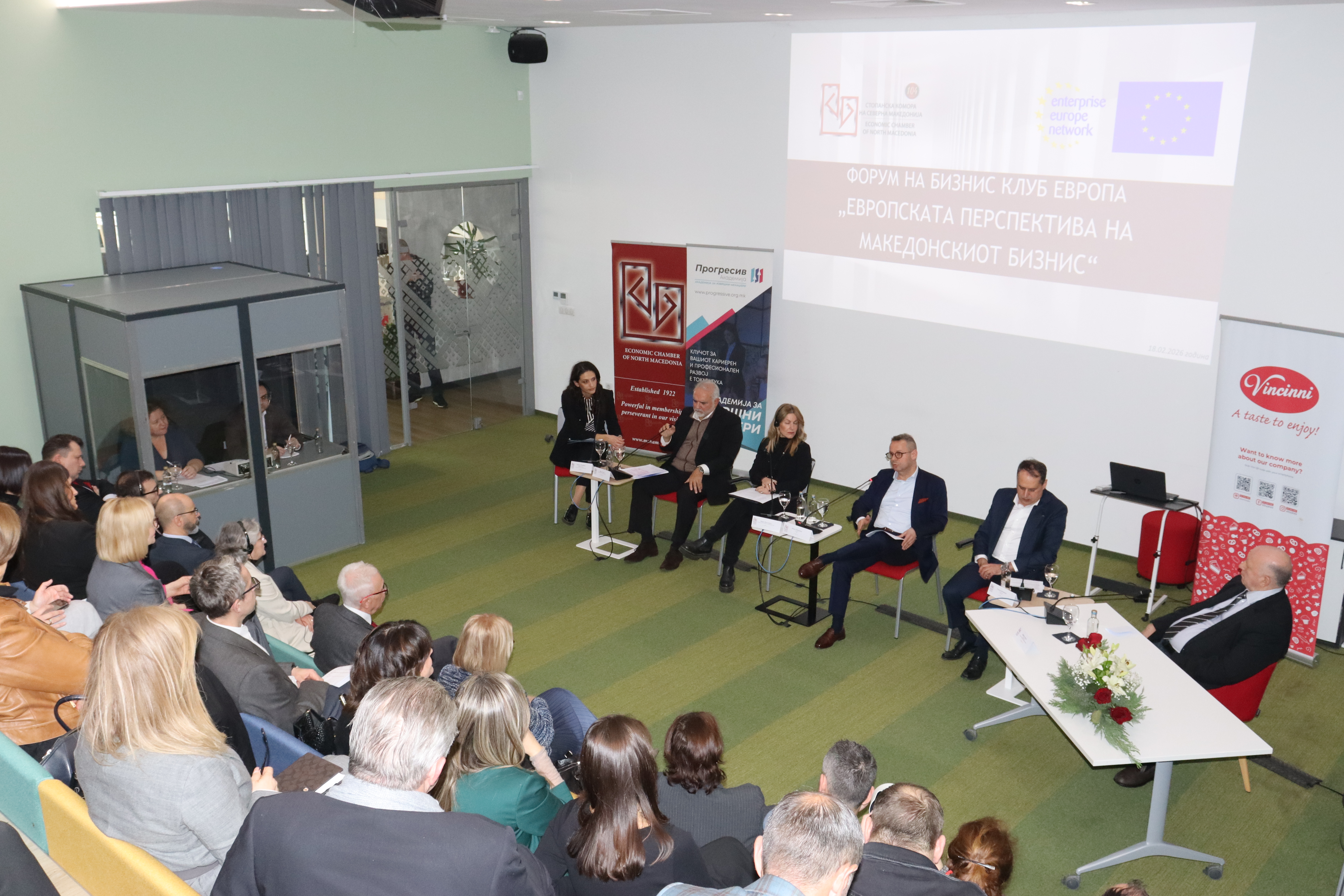

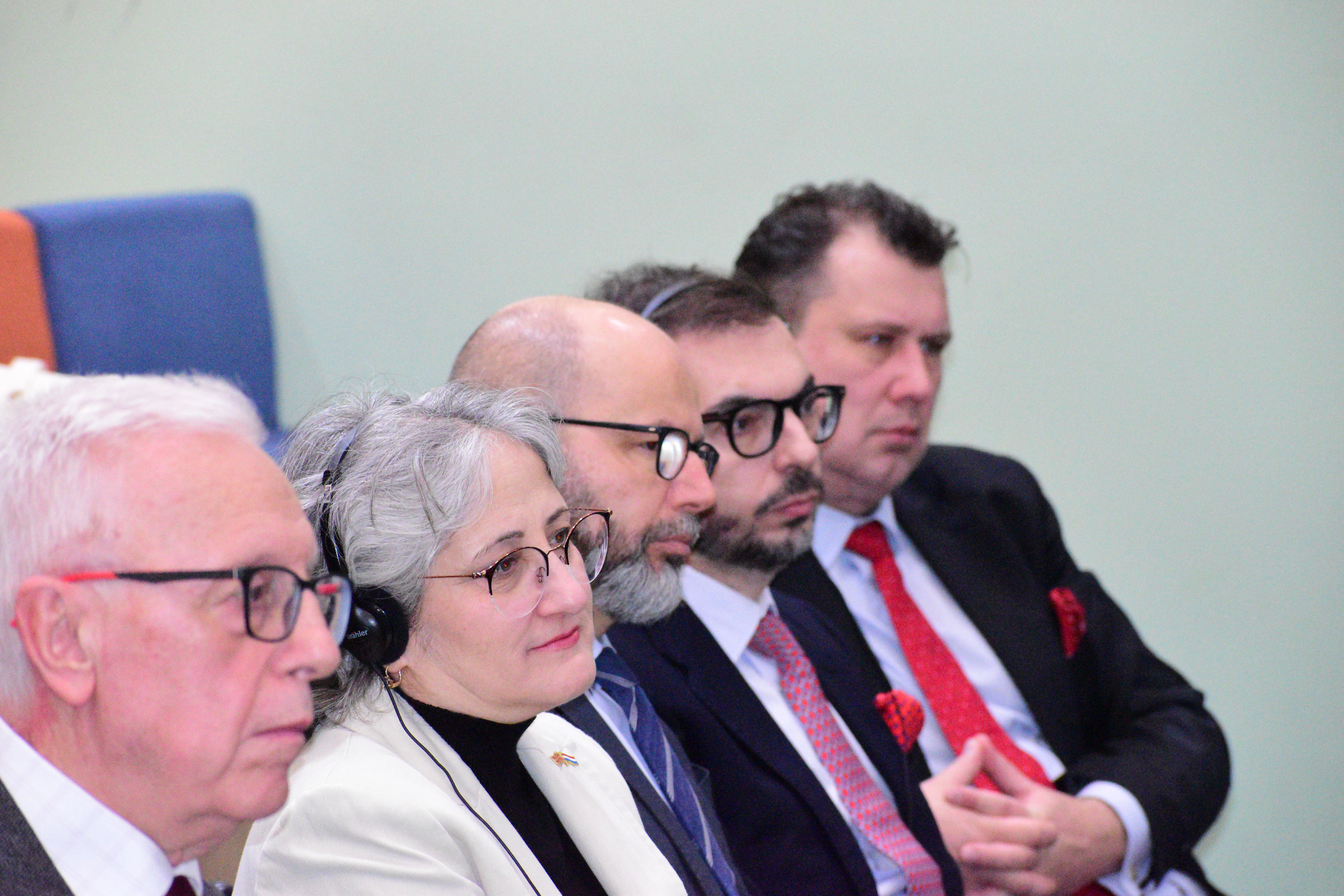
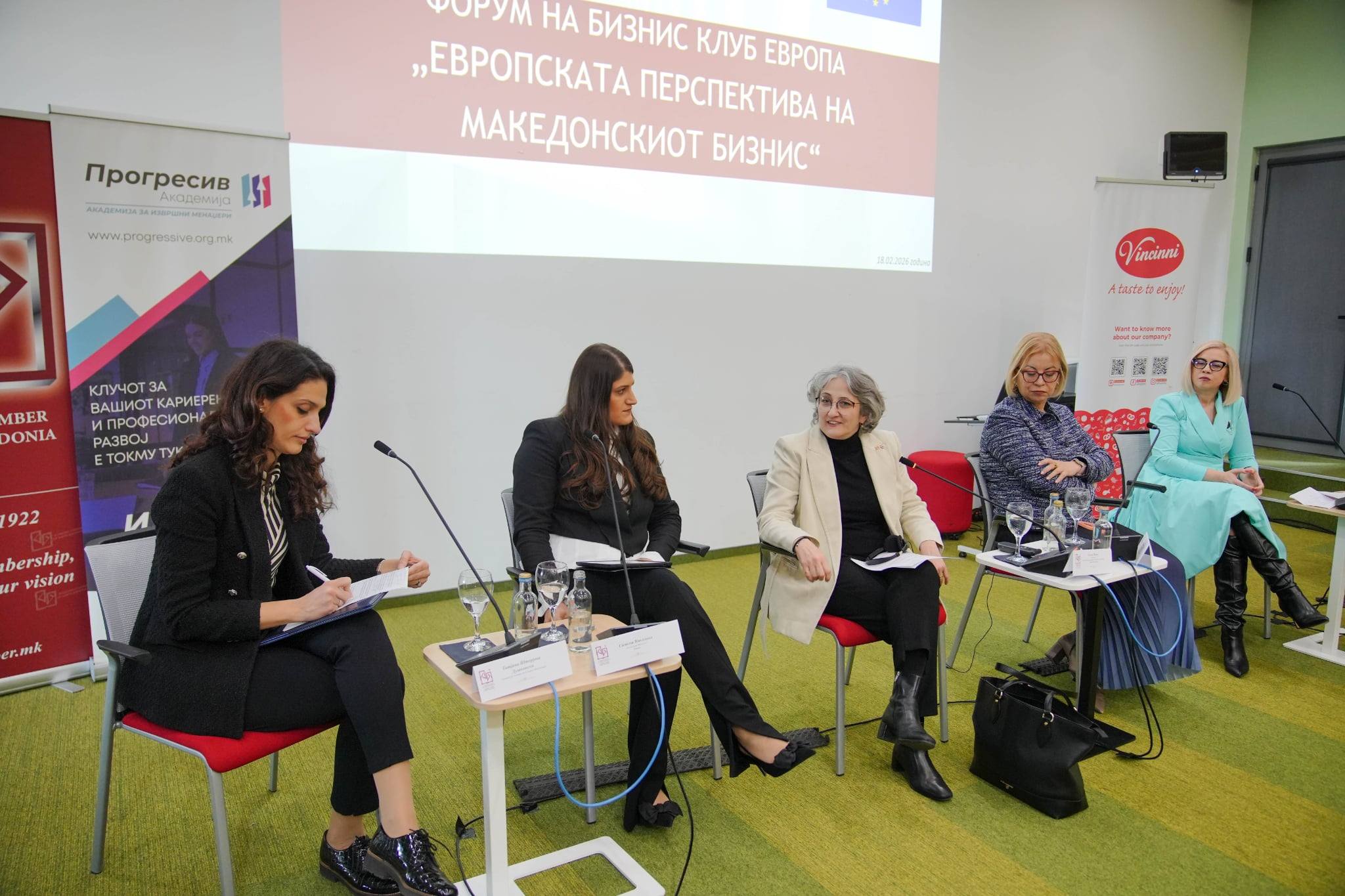
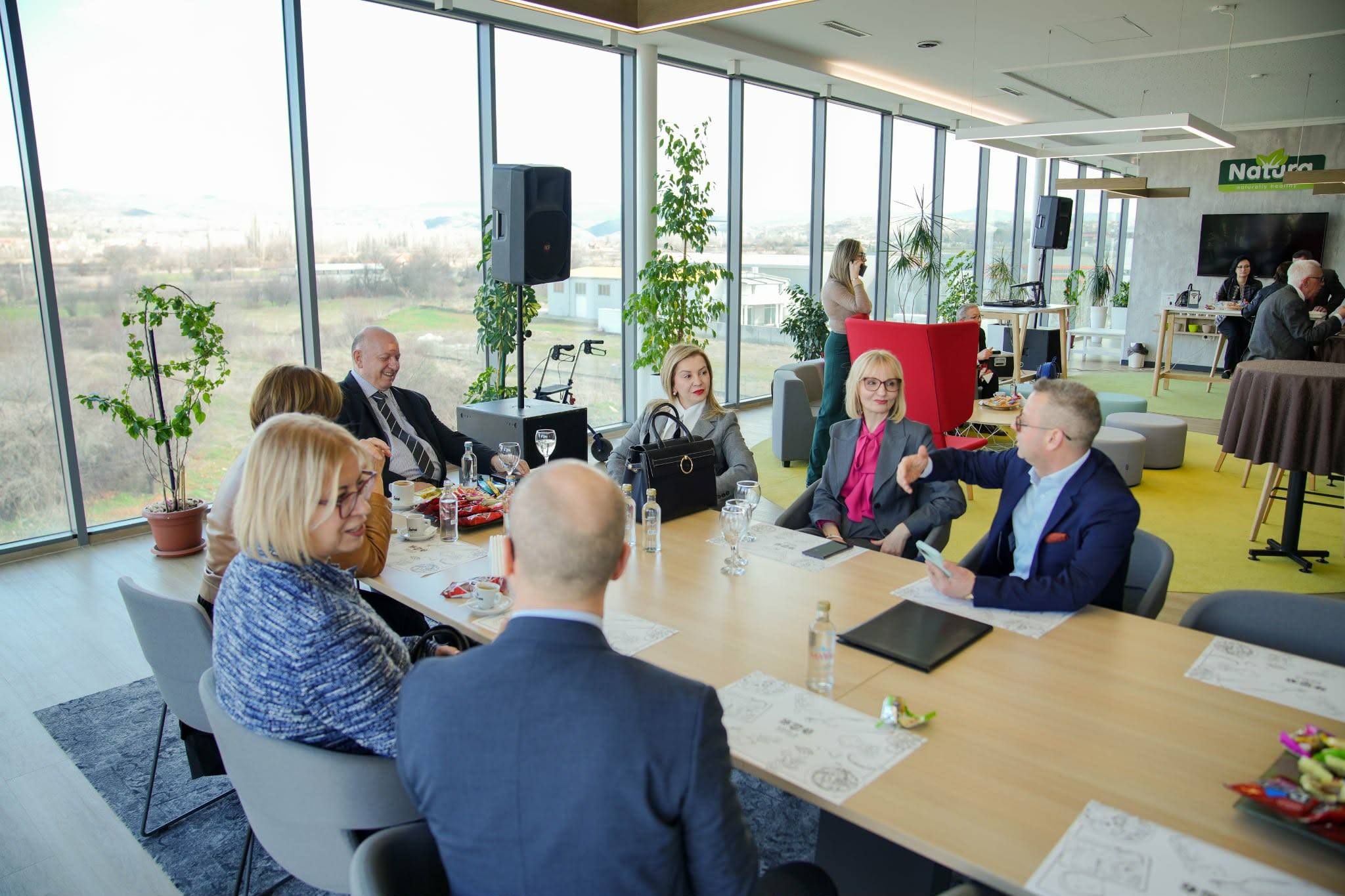
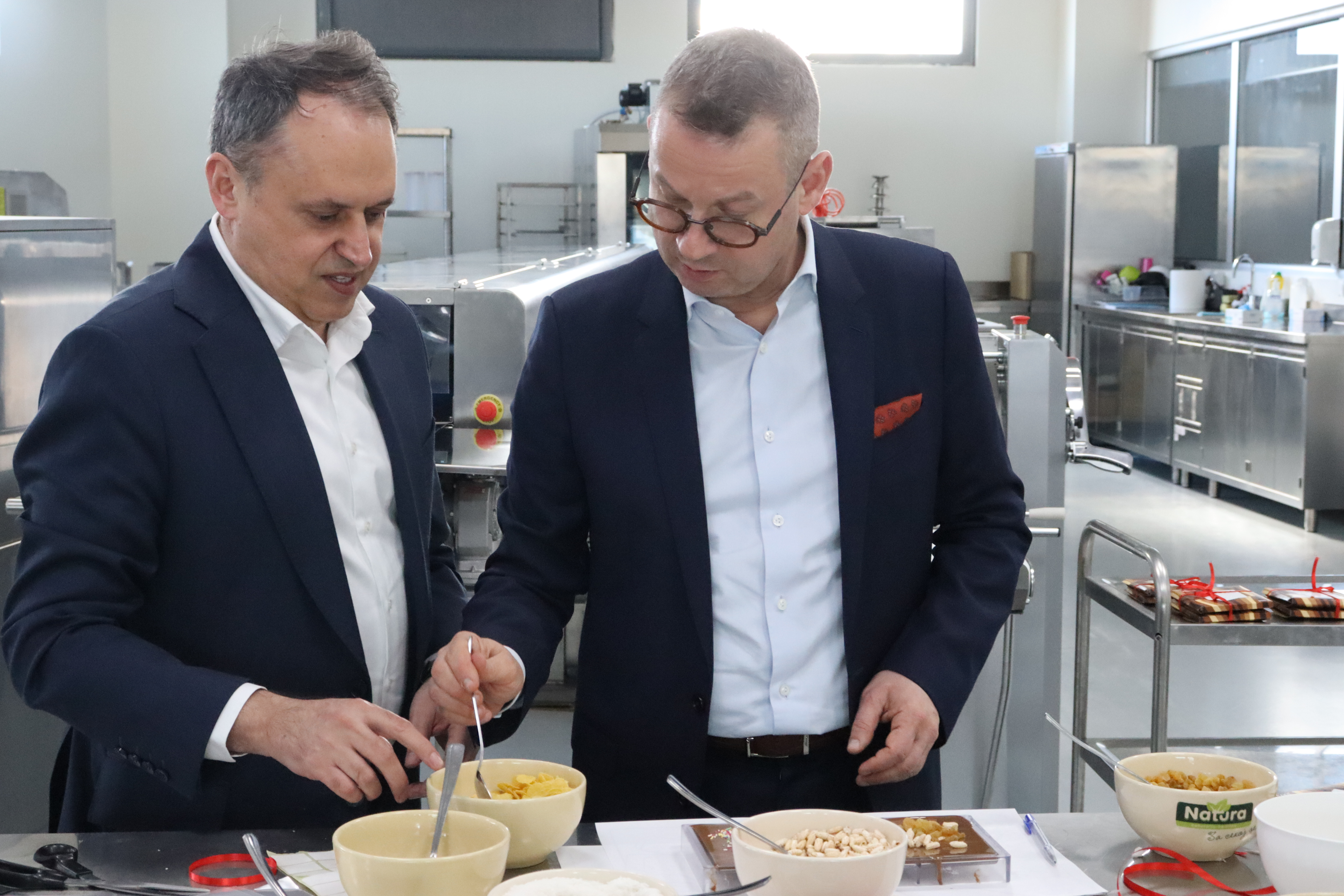
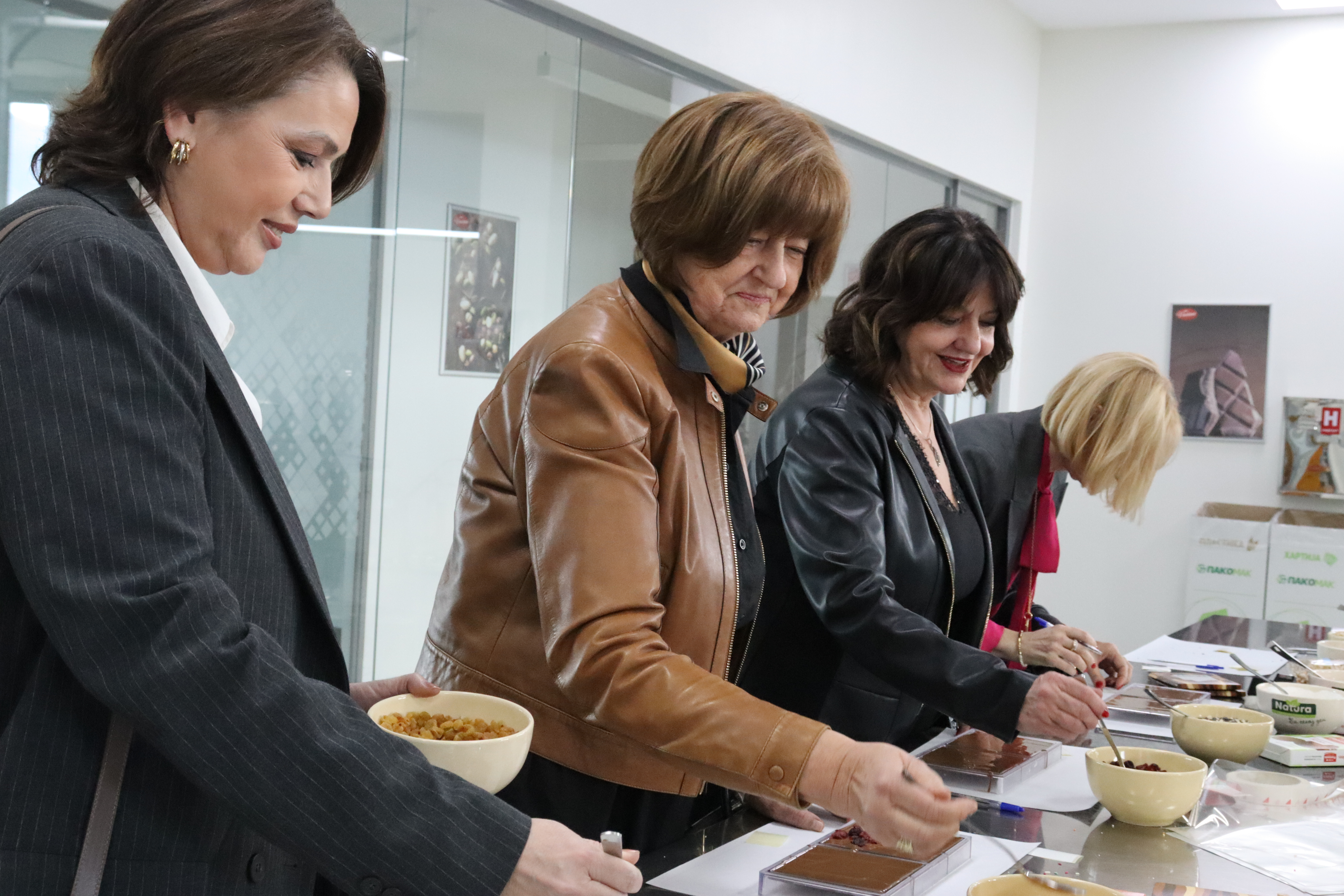
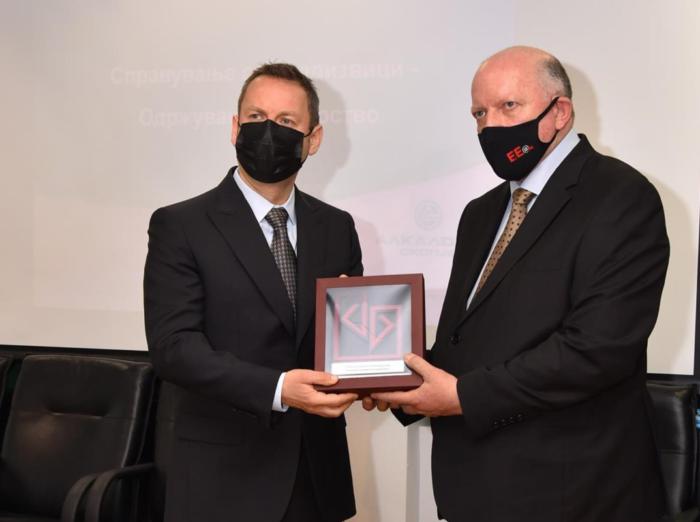
With the organization of the Forum “European Prospects of Macedonian Business” on 18.02.2026 in Vinica, at the premises of Progressive Academy (Vincini Development Center), the Business Club Europe—established within the Economic Chamber of Macedonia at the end of 2025—officially inaugurated its activities as a key partner in the economic dimension of EU accession and as a leading platform for all economic issues related to EU integration.
The event created an opportunity for a substantive and well-argued debate on the position of the Macedonian economy in the EU integration process, the preparedness of companies for the European Union’s Single Market, as well as the readiness of institutions to overcome institutional bottlenecks in that process. At the same time, it highlighted the role of women leaders in building a competitive and sustainable economy.
In his opening remarks, the President of the Economic Chamber of North Macedonia, Branko Azeski, emphasized that EU integration is not merely a political objective, but above all an economic and developmental necessity, noting that the EU remains the country’s main trading partner. He stressed that Macedonian companies must systematically prepare to operate under the rules of the EU Single Market. He added that, in many aspects, domestic companies already function in line with these standards, yet without full access to the mechanisms and instruments available to companies from EU Member States. This, he underlined, calls for accelerated reforms and strengthened support mechanisms at all levels. At the same time, he pointed out the need for political consensus in Macedonia, that internal weaknesses in state organization cannot be concealed behind the lengthy path toward EU membership.
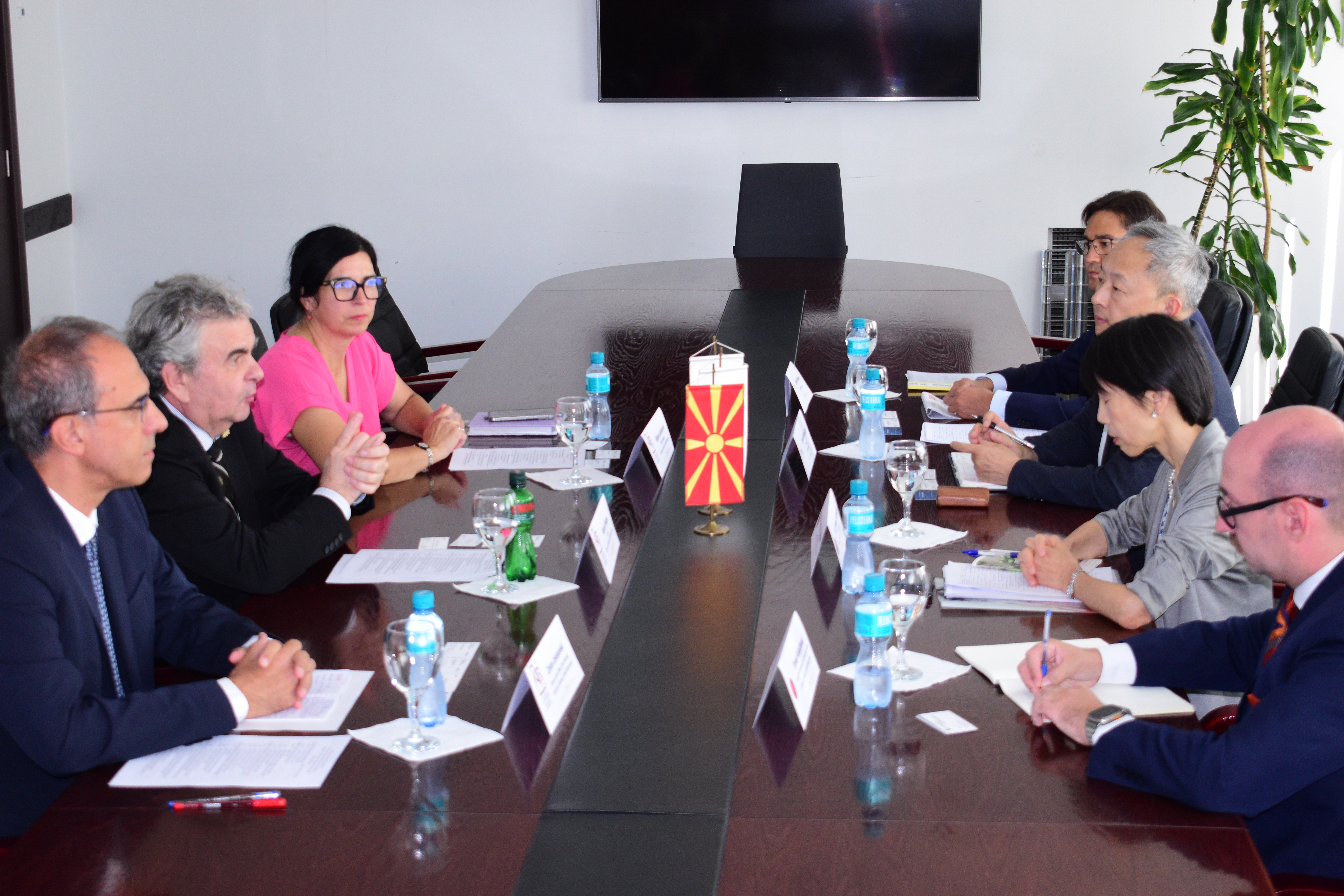
Panel I, titled “The EU Single Market: How Ready Is the Macedonian Economy?”, included Gligor Cvetanov from Makprogres Vinica and President of Business Club Europe, Zhivko Mukaetov from Alkaloid Skopje, Maria Kanellopoulou from the EU Delegation in Skopje, and Dragan Tilev, former State Adviser for European Affairs. The discussion focused on the challenges faced by companies, the necessary reforms, and the role of policymakers in facilitating the transition toward EU standards.
Panelists cited numerous examples of issues stemming from EU Single Market rules and standards that place the domestic economy in a specific position: on the one hand, companies cannot benefit from advantages available to firms established within the EU—such as structural and cohesion funds or free trade agreements concluded by the EU—while on the other hand, in many segments they are required to meet the same obligations. They also referred to complex regulatory procedures, requirements for renewing certificates to access EU markets, and the inability to use direct financial support for investments, all of which directly affect the competitiveness of domestic companies. The discussion also addressed the insufficient utilization of IPA funds as a missed opportunity for the Macedonian economy, as well as the need for more efficient institutional mechanisms in which the business community should be actively consulted.
Gligor Cvetanov, President of Business Club Europe, emphasized that the vision behind the newly established Club is precisely to provide answers to some of the issues raised during the discussion, to structure communication between companies and the competent institutions involved in the EU integration process, and to offer various forms of support to companies throughout that process.
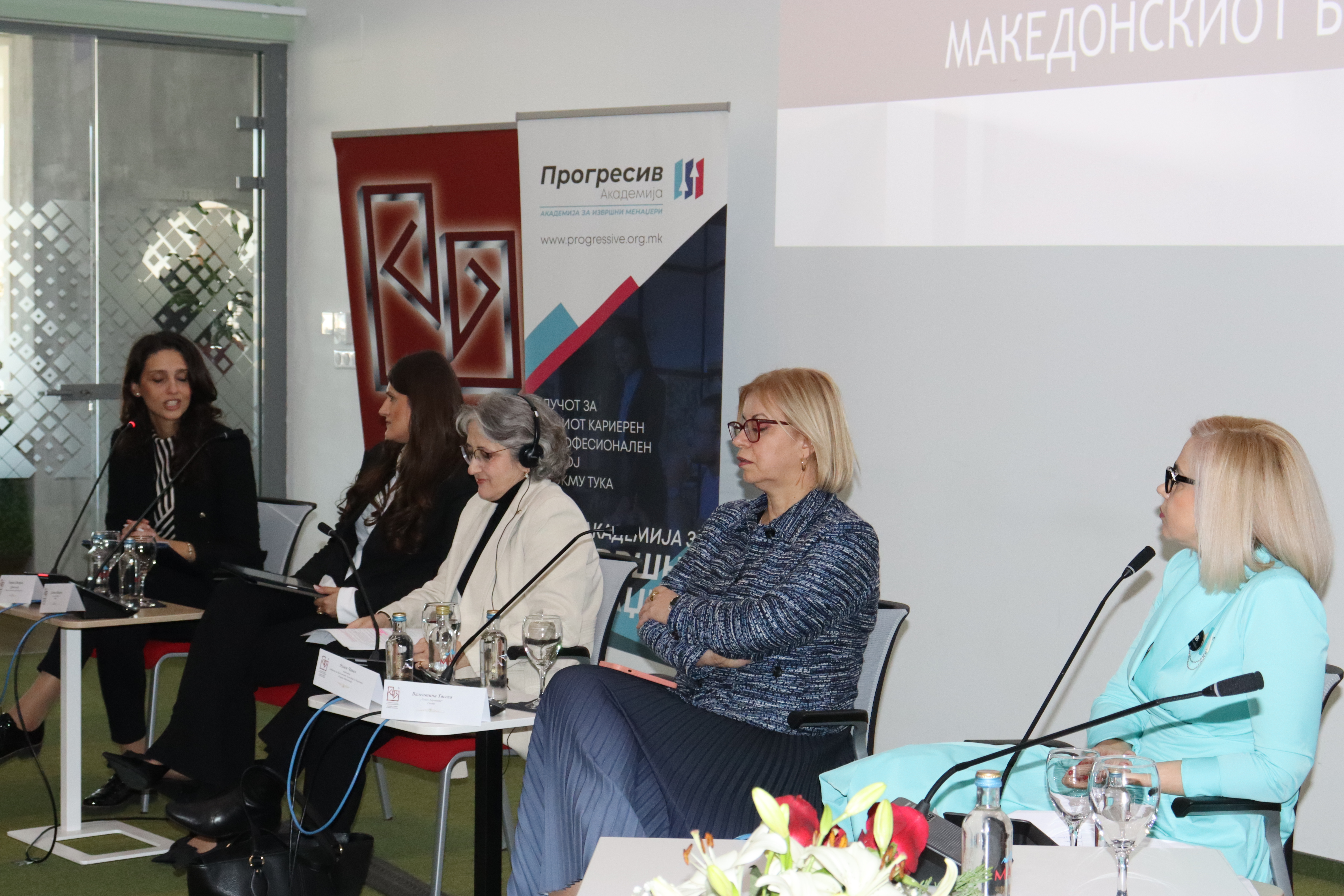
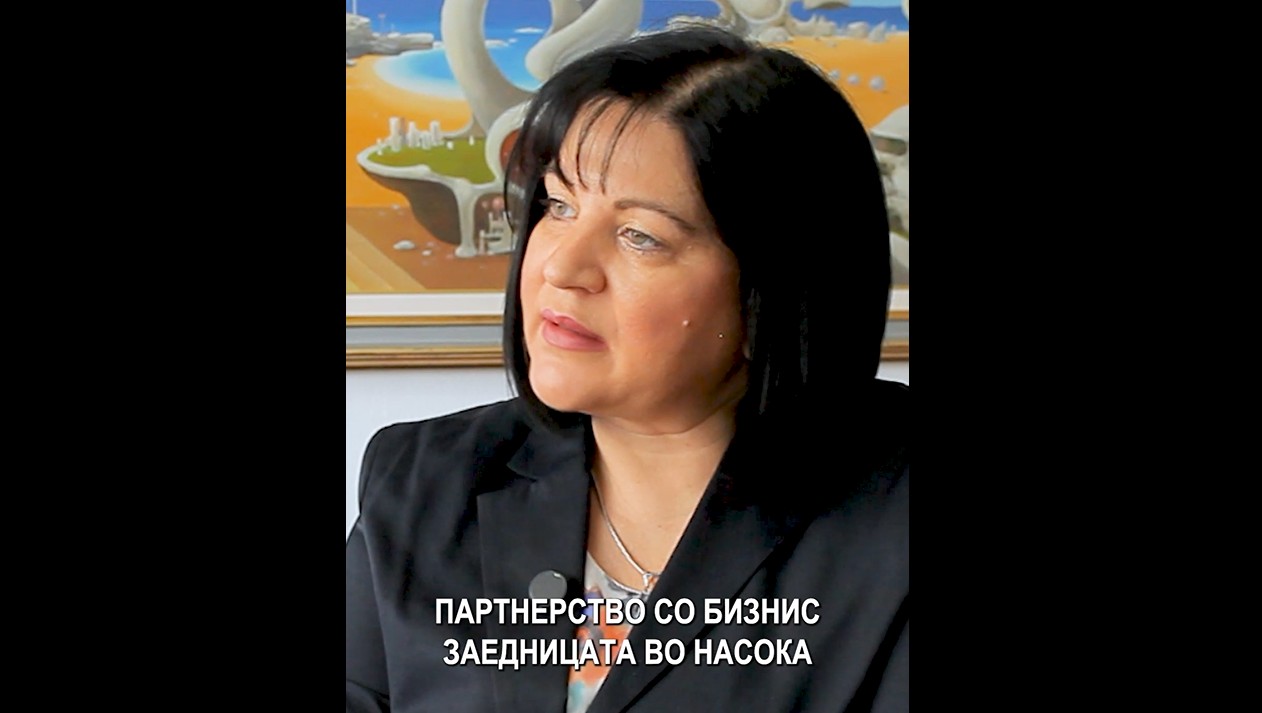
The second panel, “Women in Business Leadership: The European Perspective,” underscored the importance of women’s leadership as a driver of innovation, export orientation, and sustainable development. Through concrete business experiences and EU practices, Özlem Canel, Ambassador of the Kingdom of the Netherlands to North Macedonia, Valentina Taseva from Semos Education Skopje, Simona Nikolova from Tehnoguma Nikolov Shtip, and Aleksandra Filipova from BlackBello Vinica sent a strong message on the need for greater institutional and financial support for women entrepreneurs, as well as the systematic inclusion of young women in EU value chains. They shared their experiences on how women’s leadership contributes to increasing productivity within their companies.
Through specific examples and EU experiences, it was emphasized that women’s leadership represents a significant resource for the country’s economic transformation. The panelists highlighted the need for clearer mechanisms for financial and mentoring support, further development of soft skills, continuous investment in education aligned with the European Qualifications Framework standards, as well as the development of micro-qualifications and digital skills.
The Forum confirmed that European prospects of Macedonian business is not a matter of choice, but a strategic commitment requiring coordinated action by institutions, companies, and EU partners. Through Business Club Europe, the Economic Chamber stands ready to lead that process.
Business Club Europe was established at the initiative of Chamber President Branko Azeski to provide a structured platform for dialogue and coordination between the business community, academia, relevant stakeholders in the EU integration process, and diplomatic representatives from EU countries. The Club’s main focus is on issues related to the European Union, the integration of the Macedonian economy into EU processes, EU diplomacy, and policy-making toward the EU from the perspective of the business community. The Club will also function as an effective instrument for conveying feedback from the business community to the European Commission and as a project activity within the framework of the Enterprise Europe Network.


 Progressive Academy