„Dimitrie Cupovski“ 13, 1000 Skopje +38923244000 ic@mchamber.mk
„Dimitrie Cupovski“ 13, 1000 Skopje +38923244000 ic@mchamber.mk
.jpg)
.jpg)
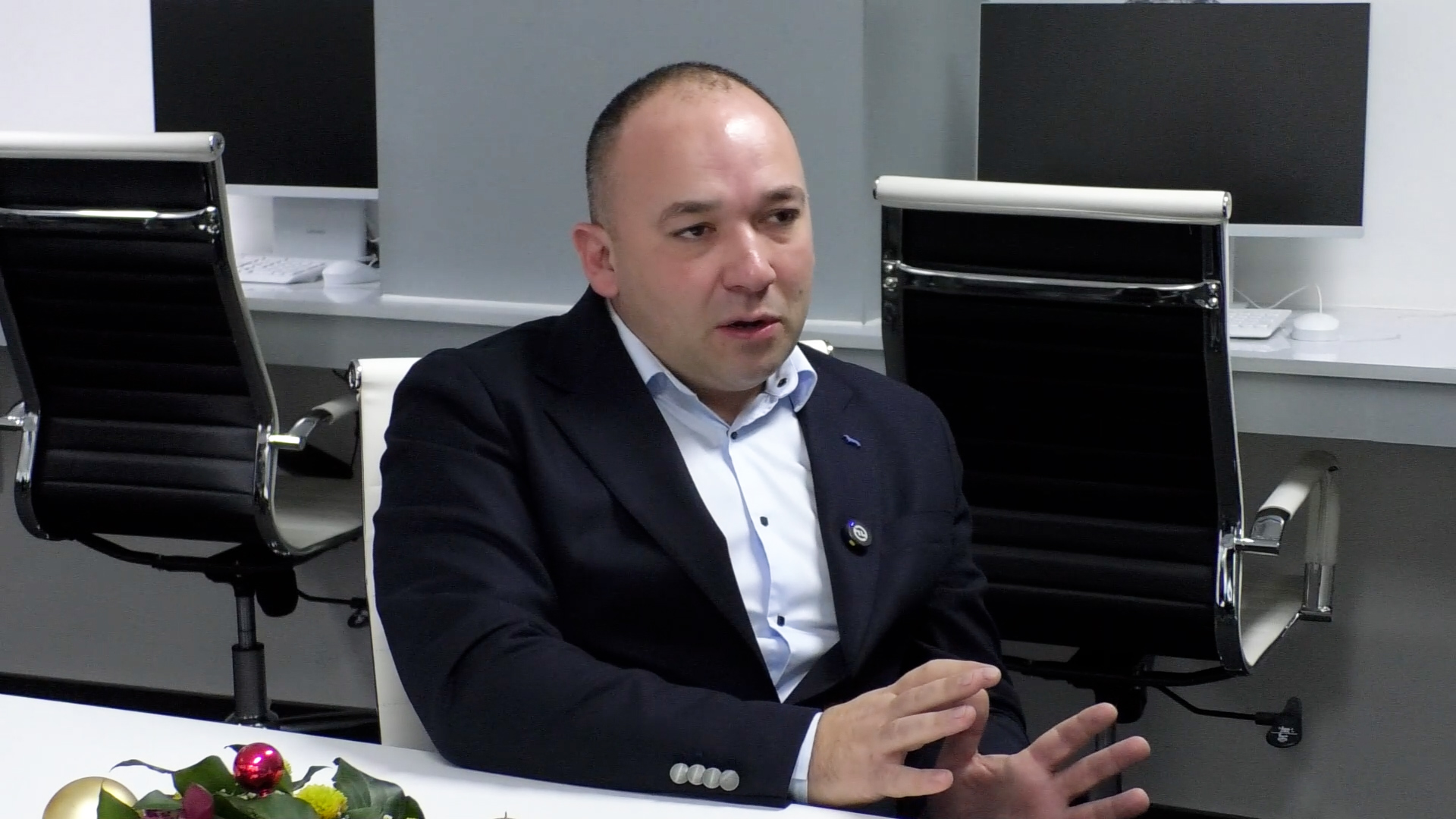
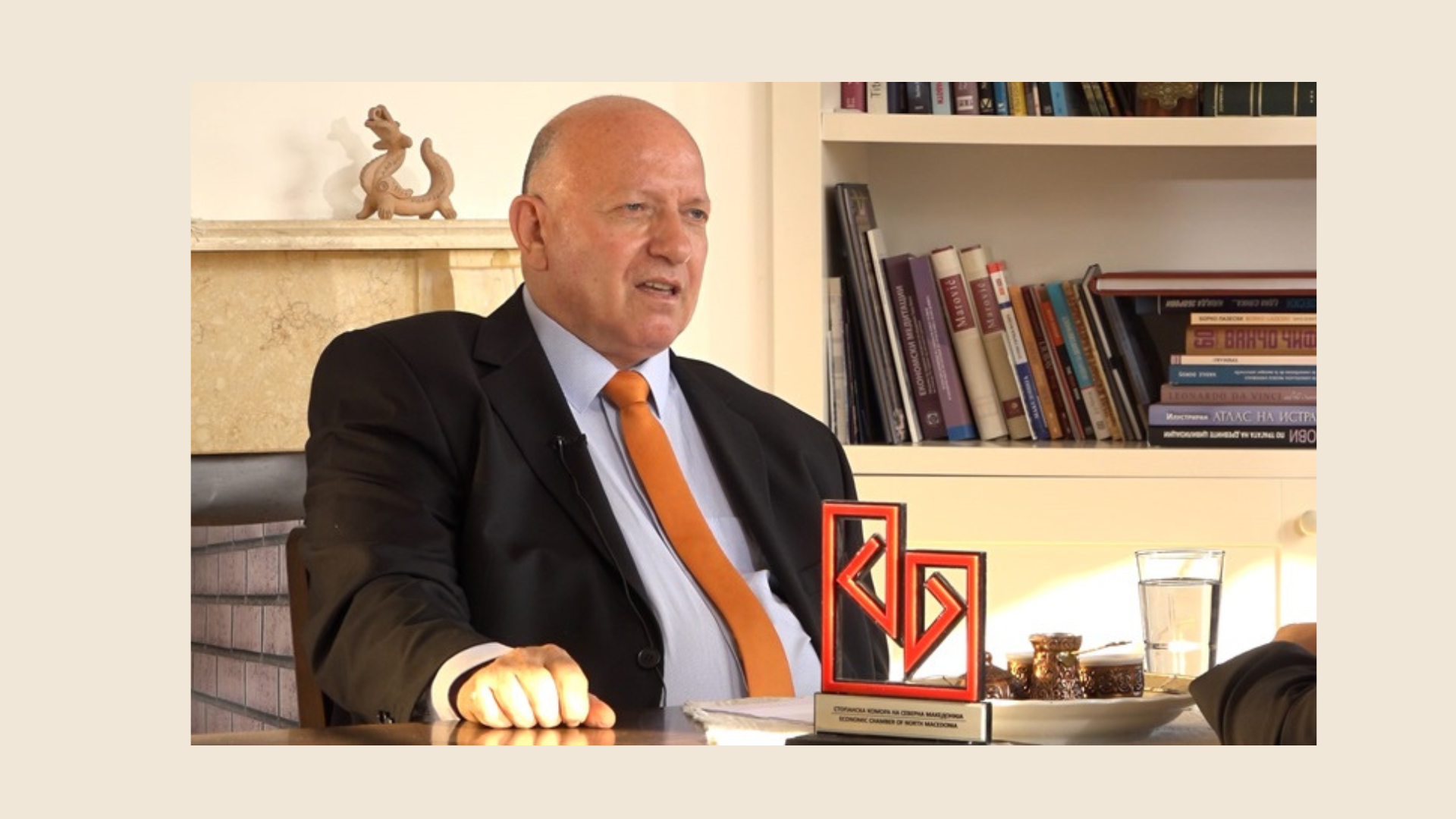
In the latest episode of the Business Club podcast with Branko Azeski, the guest is Zoran Ilievski, Chief Operating Officer and Business Development Manager of Aktiva DOO Shtip. With more than 15 years of experience in metal manufacturing and fabrication, Ilievski speaks about the development of the family business, its transformation into an export-oriented company, and the key factors for sustainable growth.
Aktiva DOO Shtip was founded in 1999 and was built on solid foundations by his father, who laid the groundwork for the company and selflessly passed on his knowledge and experience to his children. Today, the company is successfully managed by family members who combine tradition, innovation, and modern management practices.
Zoran Ilievski began his professional career as an engineer in computer engineering and automation within the family company. Today, as Chief Operating Officer and Business Development Manager, he leads a team of more than 550 employees. Aktiva operates in several strategic sectors: the automotive industry, construction, the railway industry, and GSE (ground support equipment).
Speaking about the results of his leadership, Ilievski emphasized that the company has increased production by around 60%, while the number of employees has grown by more than 30%, reaching over 580 employees. Today, Aktiva DOO exports to markets in Europe and North America and cooperates with renowned international companies such as Thyssenkrupp (Germany), Van Hool (Belgium), and FastGlobal Solution (USA). An additional step toward strengthening its presence on international markets was the acquisition of the certificate for participation in NATO tenders (2024), granting the company access to the NATO market.
In the podcast, Ilievski highlighted the support of local self-government, noting that cooperation with the Mayor of Shtip should serve as a positive example of how partnership between business and local authorities ought to function.
Discussing the specifics of a family-owned company, he pointed out that such businesses have both advantages and weaknesses. Generational clashes and differing visions for future development can be a drawback, but rapid decision-making, flexibility, and a willingness to take risks are key advantages.
“In family companies, taking certain risks, continuous investment and innovation, and faster decision-making—without waiting for procedures typical of large corporations—contribute to faster growth and adaptability to new and sensitive markets. However, it is also necessary to build a second level of management that will actively participate in governance and assume a large share of responsibilities, so that the company can remain innovative and self-sustainable,” Ilievski emphasized.
Speaking about the future of Aktiva, he stressed that the company’s growth must be based on a clear vision and a concrete plan for the next five to ten years. This includes continuous reinvestment of profits, monitoring new technologies and trends in metallurgy, and taking risks through new investments and projects. According to him, cooperation with foreign companies also contributes to growth, as it enables learning and the transfer of experience. “The most important thing is for development to be directed toward new products and services with higher added value,” Ilievski concluded.

 Progressive Academy